Chocó, Andes and Amazon · Private birding tour · 16 days / 15 nights
Our complete private birding tour of Ecuador: six days in the Chocó Andino from our own lodge in Mindo Cloud Forest, the Andean Condor at Antisana, the eastern slope at Guango, San Isidro and Wildsumaco, and the Amazon around Misahuallí and the Huaorani territory of Gareno.

At a glance
A private birding tour with your own English-speaking licensed guide and vehicle: just you and your companions. Every day links the eBird hotspots of the places you visit, so you can see what has been recorded there before you travel. The itinerary is a sample: it may change with the weather, the birds and the opening of each reserve.
| Departure and return | Quito area; other places on request |
|---|---|
| Departure time | 10:00 am, depending on the pick-up place; 6:00 am if you add Zuro Loma or Yanacocha on the first day |
| Highlights | Long-wattled Umbrellabird, Andean Condor, Wire-crested Thorntail, Amazon birds |
| Fitness level | Fair condition |
| Group | Private: just you and your companions |
| Price | From US$6,200 per person |
Day by day
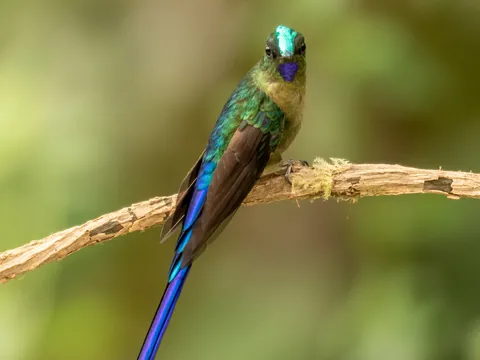
Day 1
Morning. Pick-up at 10:00 am at your hotel in Quito or the airport area, and arrival at Las Terrazas de Dana Boutique Lodge & Spa around 1:00 pm for lunch.
Afternoon. A visit to a hummingbird garden in Mindo Cloud Forest.
Optional, with an extra cost. Start at 6:00 am from your Quito hotel and bird Zuro Loma or the Yanacocha Reserve on the way: Yanacocha is the Jocotoco Foundation reserve on the Pichincha volcano created to protect the critically endangered Black-breasted Puffleg.
Key species at Yanacocha: Sword-billed Hummingbird, Shining Sunbeam, Golden-breasted Puffleg, Andean Guan, Scarlet-bellied Mountain-Tanager.
Day 2
Morning. Early departure to the Río Silanche Bird Sanctuary of the Mindo Cloudforest Foundation, in the Chocó lowlands at 300–350 m, with a breakfast box at its canopy tower, about 15 m high.
Afternoon. Lunch, then the Milpe Bird Sanctuary (1,020–1,150 m), inside the Los Bancos–Milpe Important Bird Area defined by BirdLife International, known for the Club-winged Manakin.
Key species: Chocó Trogon, Rufous-tailed Jacamar, White-whiskered Puffbird, Black-crowned Antshrike, Scarlet-breasted Dacnis, Club-winged Manakin, Green Thorntail, White-whiskered Hermit, Green-crowned Brilliant, Green-crowned Woodnymph.
Day 3
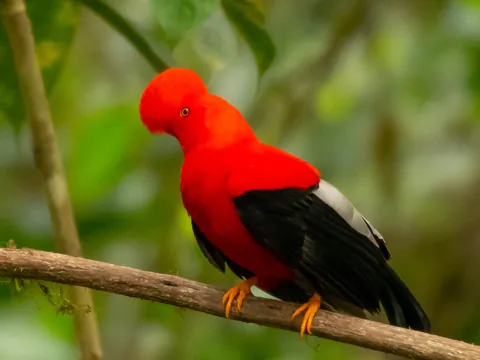
Morning. Refugio Paz de las Aves (around 1,600 m / 5,250 ft), the family reserve of Ángel and Rodrigo Paz: the Andean Cock-of-the-rock lek at first light and the antpittas they taught to come out of the forest when called. A breakfast box, then an Ecuadorian breakfast at the reserve.
Afternoon. Lunch, then the Alambi Reserve, with its many hummingbird feeders in the Tandayapa Valley, and Bellavista on the old road to Mindo, the gravel road kept for birders.
Key species at Paz de las Aves: Andean Cock-of-the-rock, Giant Antpitta, Moustached Antpitta, Yellow-breasted Antpitta, Chestnut-crowned Antpitta, Ochre-breasted Antpitta, Toucan Barbet.
Key species at Alambi: Western Emerald, Tawny-bellied Hermit, Brown Violetear, White-capped Dipper, Torrent Tyrannulet, Red-faced Spinetail, Golden-olive Woodpecker.
Day 4
Morning. The Mashpi Road and the Amagusa Reserve (1,700 to 750 m), a private reserve inside the Mashpi–Pachijal Important Bird Area known for Chocó endemics, with a breakfast box at its feeders.
Afternoon. Lunch and the San Tadeo feeder, a private spot on a hilltop about 20 minutes from Mindo, with hummingbirds and tanagers.
Key species: Indigo Flowerpiercer, Golden-collared Honeycreeper, Black Solitaire, Orange-breasted Fruiteater, Lyre-tailed Nightjar, White-tipped Sicklebill, Chocó Vireo, Chocó Parakeet, Glistening-green Tanager, Black-chinned Mountain-Tanager, Black-striped Sparrow, Flame-faced Tanager, Velvet-purple Coronet, Violet-tailed Sylph, Booted Racket-tail, Toucan Barbet.
Day 5
Morning. With a breakfast box to Birdwatchers House, a private reserve in the Santa Rosa sector of Mindo where almost 120 bird species have been recorded, among them 36 hummingbirds.
Afternoon. Lunch and a walk along the San Lorenzo road, on the way to the Waterfalls Sanctuary, at about 1,400 m / 4,600 ft.
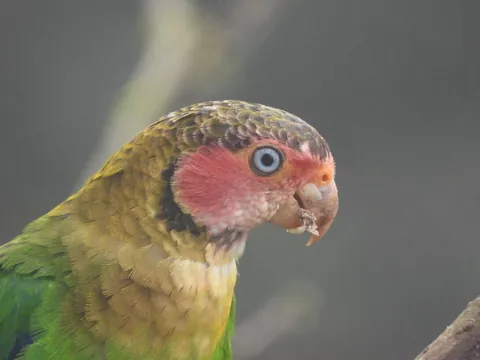
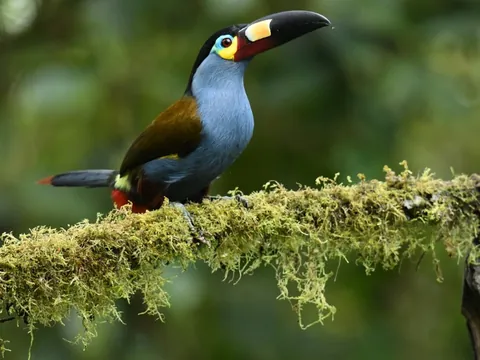
Key species: Plate-billed Mountain-Toucan, Blue-capped Tanager, Hoary Puffleg, Crested Guan, Rose-faced Parrot, Bat Falcon.
Day 6
Morning. With a breakfast box to the community of Recinto 23 de Junio, one of the best places near Quito to see the Long-wattled Umbrellabird, whose males display at leks with their long wattle and crest.
Afternoon. Lunch and birding in the higher area of Mindo.
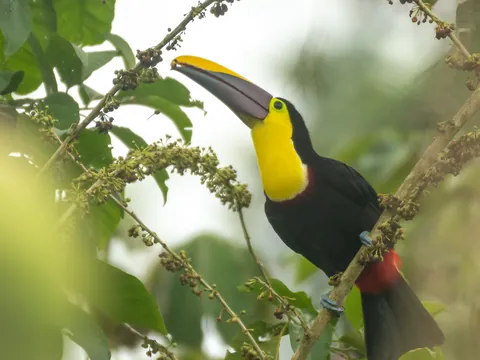
Key species: Long-wattled Umbrellabird, Chocó Toucan, Chestnut-mandibled Toucan, Guayaquil Woodpecker, Blue-necked Tanager, Rufous Motmot, Swallow Tanager.
Day 7
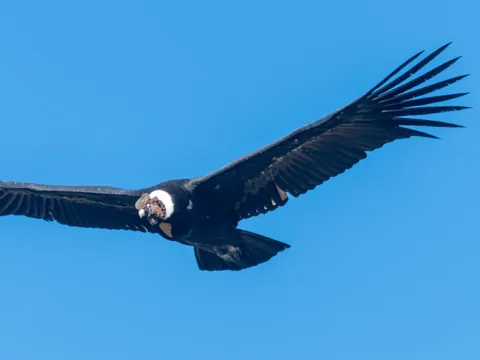
Morning. With a breakfast box to Antisana National Park, southeast of Quito: high-Andean grasslands above 4,000 m under the snow-capped Antisana volcano, a national park since 2021 and home to the most important population of Andean Condors in Ecuador.
Afternoon. Lunch and on to Guango, with a birding stop in the Papallacta area.
Key species: Andean Condor, Giant Hummingbird, Ecuadorian Hillstar, Black-faced Ibis, Carunculated Caracara, Shining Sunbeam, Pearled Treerunner, White-throated Tyrannulet, Tufted Tit-Tyrant, Blackish Tapaculo, Plain-colored Seedeater, Cinereous Conebill.
Day 8
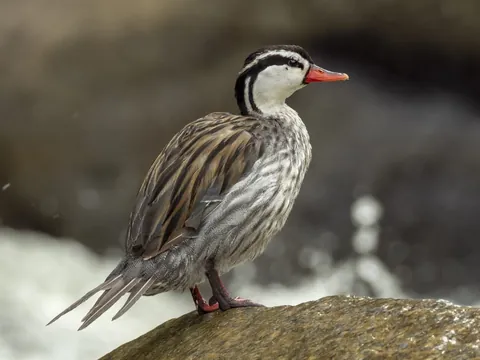
Morning. Breakfast and birding at the Guango Reserve, at about 2,700 m in the humid temperate forest of the eastern slope: hummingbird feeders with around 15 species in the area, the Gray-breasted Mountain-Toucan, often seen around the lodge, and the river, one of the easiest places on this road to find the Torrent Duck.
Afternoon. Lunch and birding on the way down to San Isidro.
Key species: Gray-breasted Mountain-Toucan, Hooded Mountain-Tanager, Torrent Duck, Sword-billed Hummingbird, Collared Inca, Chestnut-breasted Coronet, White-bellied Woodstar, Long-tailed Sylph, Tourmaline Sunangel.
Day 9
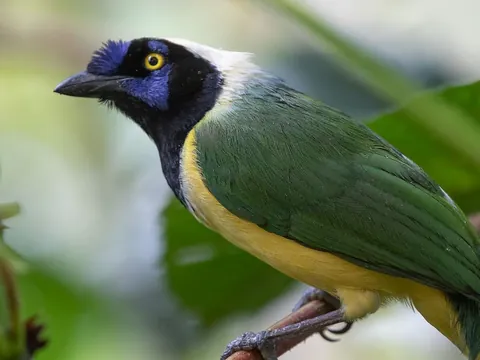
Full day. Breakfast and a whole day of birding at the San Isidro Reserve, a private reserve of about 2,000 hectares of mostly primary forest near Cosanga, at around 2,000 m, with hummingbird feeders and antpitta feeding stations.
Afternoon. Lunch and more birding in the reserve. At night, with luck, the mysterious «San Isidro» owl around the lodge.
Key species: Green Jay (Inca Jay), Saffron-crowned Tanager, Plain-backed Antpitta, Long-tailed Antbird, Crested Quetzal, Dusky Piha, Grass-green Tanager.
Day 10
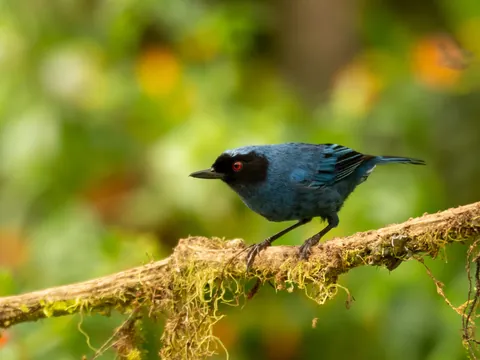
Morning. Breakfast at San Isidro and more birding before check-out.
Afternoon. A lunch box and birding on the Guacamayos Ridge, which drops from about 2,800 to 1,900 m and can be very productive for mixed flocks, on the way down to Wildsumaco.
Key species: Green Jay (Inca Jay), Saffron-crowned Tanager, Plain-backed Antpitta.
Day 11
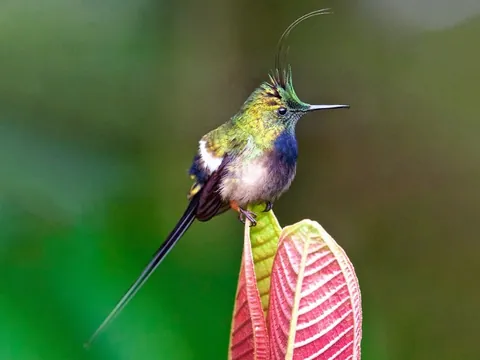
Full day. Breakfast and a whole day at Wildsumaco, a sanctuary in the foothills at about 1,400 m beside Sumaco National Park, where the Andes meet the Amazon; its feeders bring in the Wire-crested Thorntail, and on clear days you see the Sumaco volcano.
Afternoon. Lunch and more birding in the sanctuary.
Key species: Rufous-booted Racket-tail, Wire-crested Thorntail, Violet-fronted Brilliant, Russet Antshrike, Peruvian Warbling-Antbird, Blue-crowned Manakin, White-crowned Manakin.
Day 12
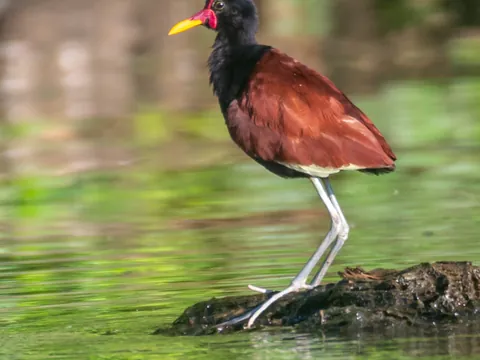
Morning. Breakfast at Wildsumaco and a drive of about two hours to Puerto Misahuallí, then a paddle canoe on Laguna Paikawe, a small lagoon near the road from Tena to Misahuallí known for its Hoatzins.
Afternoon. A lunch box and birding along a back road at Ahuano, through Amazon rainforest and cocoa plantations.
Key species at Laguna Paikawe: Hoatzin, Point-tailed Palmcreeper, White-eared Jacamar, Masked Crimson Tanager, Great Potoo, Greater Ani, Purple Gallinule, Solitary Black Cacique, Pale-tailed Barbthroat, Green Kingfisher, White-fronted Nunbird, Scarlet-fronted Nunbird.
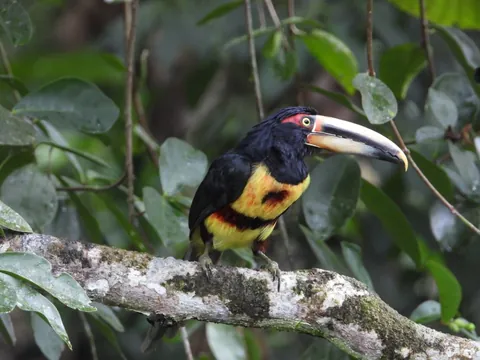
Key species on the Punta Ahuano road: Dusky-headed Parakeet, White-lored Antpitta, Lettered Aracari, Ivory-billed Aracari, Blue-and-yellow Macaw, White-fronted Nunbird, White-winged Swallow, Great Kiskadee, Pied Plover.
Day 13
Full day. After breakfast, more birds of the Amazon rainforest, reaching the best places by motorized canoe.
Midday. Lunch at the lodge.
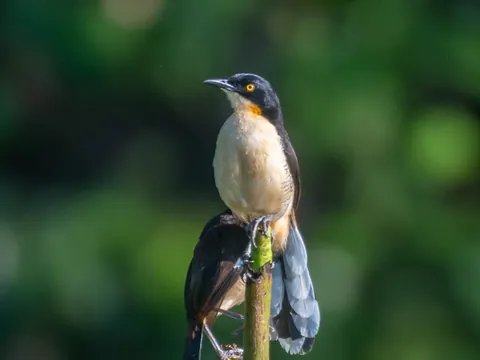
Key species: Black-capped Donacobius, White-vented Euphonia, Green Oropendola, Wire-tailed Manakin, White-throated Toucan, Red-capped Cardinal, Coraya Wren, Ladder-tailed Nightjar, Orange-backed Troupial, Little Woodpecker, Spix’s Guan, Plumbeous Kite.
Days 14–15
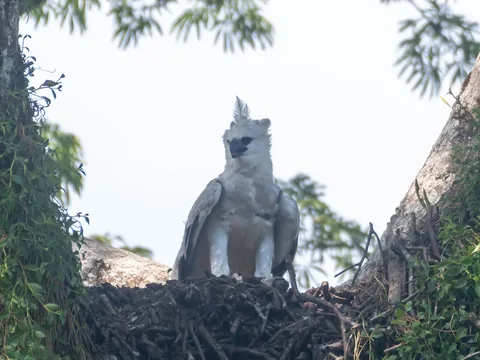
Two full days of birding in the Huaorani territory around Gareno, in the buffer zone of Yasuní National Park, an area loaded with birds that are hard to see elsewhere. Gareno, run by the Huaorani community, is known for the Rufous Potoo and once had a famous Harpy Eagle nest.
Both days. A lunch box in the field, and dinner at the lodge.
Key species: Rufous Potoo, Fiery Topaz, Harpy Eagle, Spangled Cotinga, Rusty-belted Tapaculo, Pavonine Quetzal, Yellow-billed Jacamar, White-plumed Antbird, Reddish-winged Bare-eye, Cinnamon Neopipo, Chestnut-winged Hookbill, Turquoise Tanager, White-browed Purpletuft, Bare-necked Fruitcrow, Rufous-bellied Euphonia, Golden-headed Manakin, Blue-backed Manakin, Pink-throated Becard, Parker’s Spinetail, Lemon-throated Barbet.
Day 16
Morning. Breakfast and check-out. On the way back to Quito, a stop at Borja to bird a back road and visit a local hummingbird feeder with trails.
Afternoon. Lunch and on to Quito, to your hotel or the place you choose.
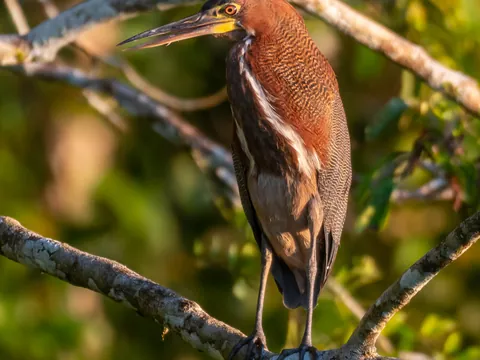
Key species: Sunbittern, Rufous-tailed Tyrant, Rufescent Tiger-Heron, Gorgeted Woodstar, Spot-breasted Woodpecker, Olivaceous Siskin.
The itinerary may change with the weather, the birds and the opening of each reserve; your guide always looks for the best option of the day.
Where you go birding
Northwest Ecuador is part of the Chocó bioregion, famous for its endemic birds. In 2018 UNESCO declared the Chocó Andino de Pichincha, around 286,000 hectares northwest of Quito, a Biosphere Reserve. Mindo is its best-known birding hotspot: more than 500 species have been recorded around the town, and its Christmas Bird Count topped the world list for several years in a row, with more than 400 species counted in a day.
East of Quito the Andes drop to the Amazon through temperate and subtropical forest: Guango at about 2,700 m, San Isidro at around 2,000 m and Wildsumaco at about 1,400 m, beside Sumaco National Park. Each step down brings different birds, from Torrent Ducks in the rivers to the Wire-crested Thorntail of the foothills.
Around Misahuallí, lagoons such as Paikawe, rainforest back roads and the Huaorani territory of Gareno, in the buffer zone of Yasuní National Park, bring the birds of the Amazon lowlands: Hoatzins, macaws, aracaris, potoos and, with luck, the Harpy Eagle.
Where you stay
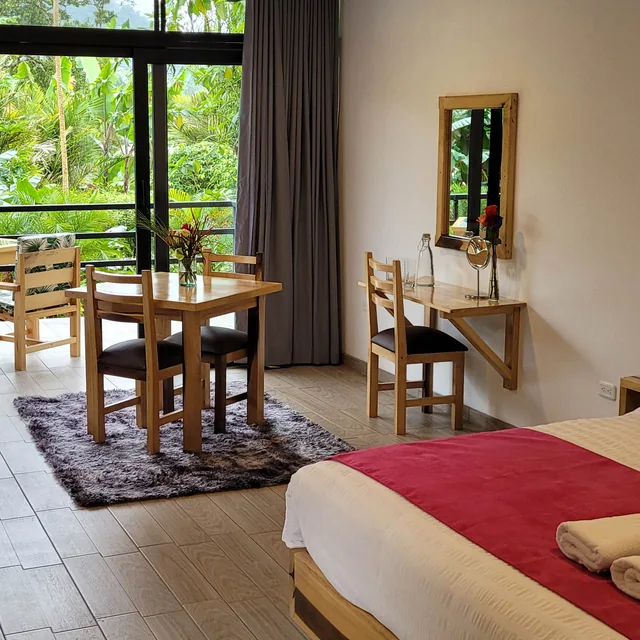
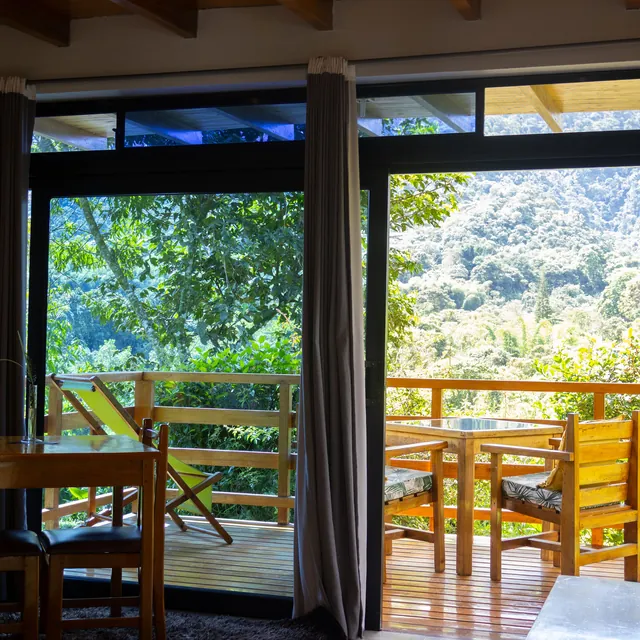
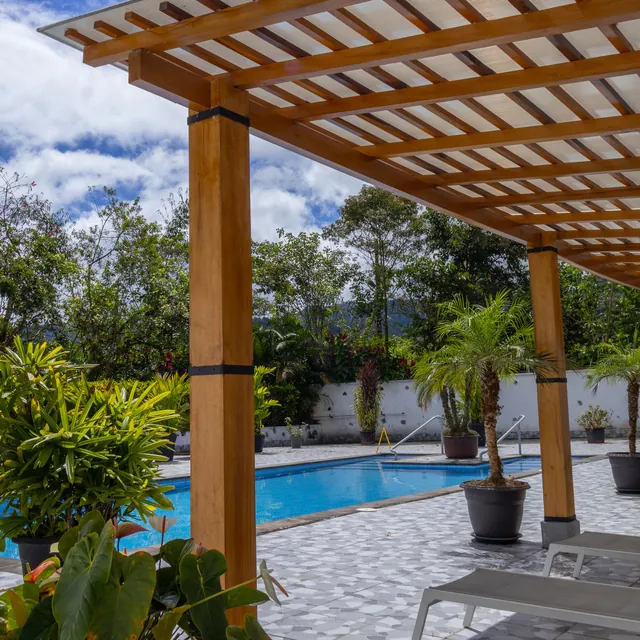
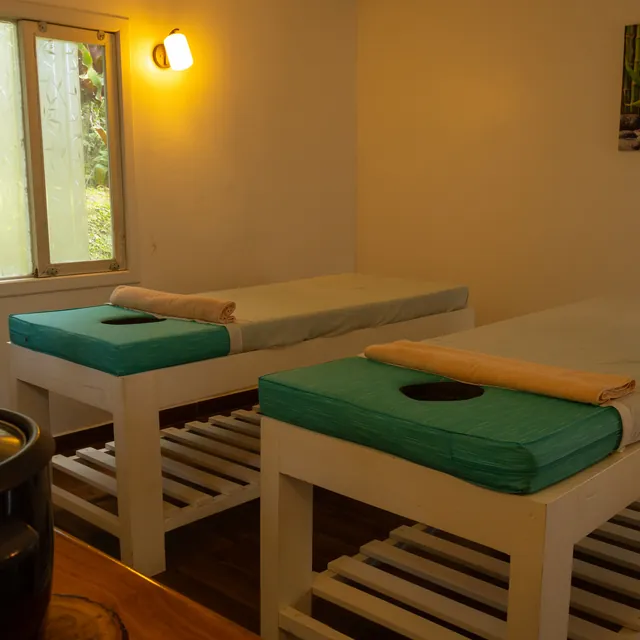
We built and run Las Terrazas de Dana, a boutique lodge and spa in Mindo Cloud Forest, two hours from Quito, rated among the best in Mindo on Tripadvisor and Booking.com.
The first six nights are at our own lodge, Las Terrazas de Dana Boutique Lodge & Spa. After the Chocó, you stay at Guango Lodge, San Isidro Lodge, Wildsumaco Lodge and a lodge in the Misahuallí area, birding lodges inside or beside the reserves.
Our birding professional guides
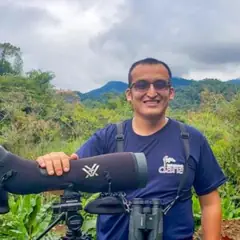
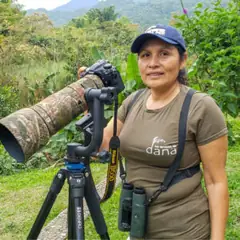 Julia PatiñoBirding guide
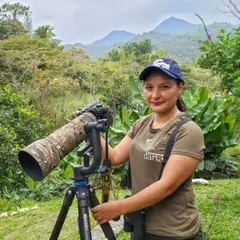
 Nelson ApoloBirding guide
 Natalia EscobarBirding guide
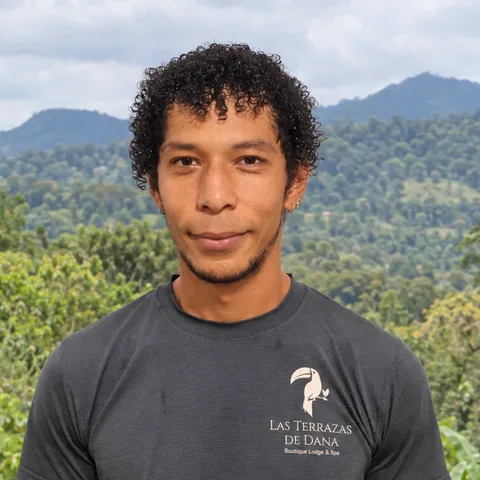 Anthony DíazBirding guide
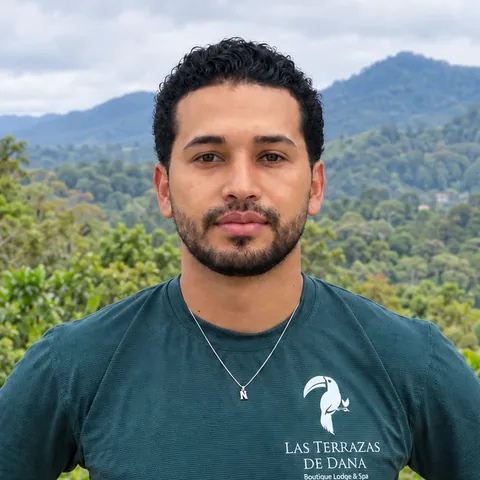 Antony DuránBirding guide
 David LaraBirding guide
“Special thanks to Julia for her phenomenal guiding and viewing of so many incredible species that only a local guide would know.” — cyclegirl, on Tripadvisor
Before you go
Compare
| Tour | Route | Highlights | Price per person |
|---|---|---|---|
| 7 days | Guango · San Isidro · Guacamayos · Wildsumaco | Torrent Duck, Wire-crested Thorntail | From US$2,850 |
| 12 days | Mindo and the Chocó Andino · Antisana · Guango · San Isidro · Wildsumaco | Chocó endemics, Andean Condor, East Slope specialties | From US$4,600 |
| 16 days · you are here | Chocó Andino · Antisana · East slope · Misahuallí · Gareno | Long-wattled Umbrellabird, Andean Condor, Amazon birds | From US$6,200 |
| 18 days | Guayaquil · Jocotoco reserves · Podocarpus · Nangaritza · Cajas | Jocotoco Antpitta, El Oro Parakeet, Blue-throated Hillstar | From US$7,250 |
| 20 days | Chocó Andino · Antisana · East slope · Huila · San Agustín · Cali | The best reserves of two countries, without flights | From US$9,200 |
Shorter tours from our lodge in Mindo Cloud Forest, from 3 to 7 days: see the Mindo birding tours. Only have a morning? Try our half-day birding tour in Mindo (about 4 hours). See all our birdwatching tours.
Price
| 16 days / 15 nights | From US$6,200 per person |
|---|
The price per person depends on the size of your group and your dates: larger groups get a lower price per person. We send you the exact quote within 24 hours.
Questions
At your hotel in Quito or the airport area, with pick-up at 10:00 am. Other pick-up places are possible on request.
Birding is good all year round. In any season the first hours after dawn are the most active, so most outings start early.
No. The tour is private, so the guide adapts the pace and the trails to you. Keen birders can send their target species and we plan around them.
Fair condition is enough: most of the birding is on forest trails, quiet roads and at feeders, at an easy pace.
Yes. Every Galápagos cruise booked with us includes complimentary nights at our lodge in Mindo Cloud Forest.
Yes: tell us your dates, your group and your target species, and we adapt the days or create a custom program.
That’s why you choose Dana Tours
Tell us your dates and how many people are traveling. We confirm the guide and the lodges and send you the final price within 24 hours.
Or write to us at [email protected]