
Travel guide · Planning
Travel Insurance for Galápagos: What Your Policy Needs
Why standard travel insurance falls short in Galápagos, what a policy must cover for cruises, diving and flights, and the checks to make before you buy.
Most travelers arrive in Galápagos with insurance that was designed for cities, and that is exactly where it fails. The islands are two hours by plane from decent hospital care, your trip involves small boats and open water, and if diving is on your list, a standard policy excludes the very activity you paid for. Here is what a Galápagos policy actually needs to cover.
Why the islands change the insurance math
Two facts drive everything. First, medical care on the inhabited islands is basic, so anything serious means an air evacuation to Quito or Guayaquil, and evacuations are expensive. Second, a big share of your money is prepaid and non-refundable: flights into the islands, the cruise, the park fees. A policy that only covers lost luggage leaves both exposures open.
Medical cover and evacuation, the core of it
Look for emergency medical coverage with real numbers behind it, plus explicit medical evacuation cover. The details to check, in order:
- Emergency medical treatment, including hospitalization on the mainland if you are moved there.
- Medical evacuation and repatriation, ideally with a 24-hour assistance line that coordinates flights rather than reimbursing you later.
- Pre-existing conditions: disclosed and covered, not discovered at claim time.
- Ambulance and rescue costs if you are lifted off a boat or trail.
Check that the insurer will pay providers directly or reimburse quickly. In a small island clinic, “claim it when you get home” is survivable; for an evacuation, it can be the difference between going and waiting. While you are at it, skim the park rules too: fines from broken rules never fall under insurance.
Diving: the exclusion that bites
If you plan to dive, read the exclusions before paying for anything. Standard policies exclude diving beyond shallow recreational limits, and some exclude it entirely without a specific scuba rider. You need a policy that covers scuba to the depth you will actually do, ideally one that includes dive-specific rescue. And the honest caveat: some operators require certification and a recent dive log for strong-current sites, so bring your certification card and logbook.
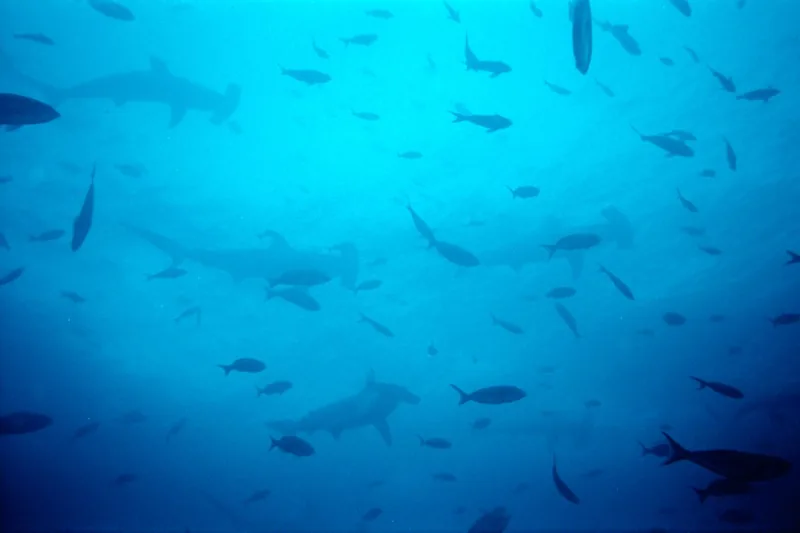
If you are snorkeling only, you are still in open water with currents; basic medical cover with evacuation handles that, but confirm water activities are not excluded wholesale.
Trip cancellation and the prepaid problem
Cruise cabins sell out and penalties bite as the date approaches. Trip cancellation and interruption cover is what stands between a family emergency and the loss of a cruise deposit. Check the covered reasons list carefully: illness, injury, and the standard list are typical, but “I changed my mind” is never covered unless you bought a cancel-for-any-reason upgrade, which costs more and reimburses a partial share.
Also confirm coverage for trip delay and missed connections. Getting to Galápagos means a mainland flight, an island flight and a ferry or boat, and a missed link in Quito can cost you a night and a day of itinerary. Our airports and ferries pages explain where the fragile links are.
What about the airlines and the operator?
Your airline liability for delayed flights is limited and bureaucratic; your tour operator’s liability stops at negligence. Neither is insurance. The park entry fee, the TCT and the flight to the islands are also not refundable through them in most cases. This is exactly why the policy exists.
The five-minute checklist
Before you buy, confirm the policy includes: emergency medical with evacuation; scuba coverage if you dive; cancellation and interruption for prepaid cruise costs; delay and missed connection cover; your pre-existing conditions, declared; and a 24-hour assistance number that works from Ecuador. Carry the policy number and assistance line on your phone and on paper, because the moment you need it is precisely the moment your phone battery is at 4 percent on a boat with no signal.
Frequently asked questions
Do I need travel insurance for Galápagos?
Strongly recommended. Serious medical problems mean an air evacuation to Quito or Guayaquil, and most of your trip, flights, cruise and fees, is prepaid and non-refundable. A policy with medical evacuation and cancellation cover addresses both.
Does standard insurance cover scuba diving in Galápagos?
Usually not beyond shallow recreational limits, and some policies exclude diving entirely. If you plan to dive, buy a policy or rider that covers scuba to the depths you will do and dive-specific rescue.
What should the policy include?
Emergency medical with evacuation, scuba cover if you dive, cancellation and interruption for prepaid cruise costs, delay and missed-connection cover, declared pre-existing conditions and a 24-hour assistance line that works from Ecuador.
Sources
- Arrival information (fees, TCT, biosecurity), Galápagos National Park Directorate
- Ecuador traveler health notices, CDC
- ECU 911 national coverage
Last verified: October 2026