
Travel guide · Planning
Galápagos ferries: getting between the islands
How the public ferries between Santa Cruz, San Cristóbal, Isabela and Floreana work: routes, departure times, the US$50 tourist fare since August 2026,…
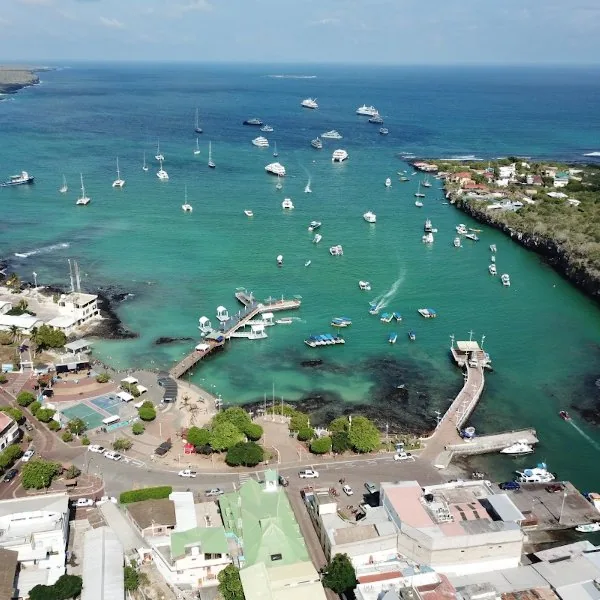
If you travel land-based in Galápagos, sooner or later you board a lancha, one of the public speedboats that connect the inhabited islands. They are fast, loud and famously bumpy, and since August 2026 they cost tourists more than they did the year before. Here is how the network works, what the fares are now, how to book, and how to get from one island to another without losing a day.
The network at a glance
| Route | Departures | Duration | Tourist fare (regular / special) |
|---|---|---|---|
| Santa Cruz → San Cristóbal | 07:00 and 15:00 | 2 to 2.5 hours | US$50 / US$65 |
| San Cristóbal → Santa Cruz | 07:00 and 15:00 | 2 to 2.5 hours | US$50 / US$65 |
| Santa Cruz → Isabela | 07:00 and 15:00 | 2 to 2.5 hours | US$50 / US$65 |
| Isabela → Santa Cruz | 06:00 and 15:00 | 2 to 2.5 hours | US$50 / US$65 |
| Santa Cruz ↔ Floreana | Fewer sailings; confirm the return before you go | About 2 hours | US$50 / US$65 |
| San Cristóbal ↔ Isabela | No direct boat: change in Santa Cruz | 5 to 6 hours in total, with a wait in Puerto Ayora | Two fares |
Times are the standard pattern published by the operators; they shift with the season and the boat, so confirm when you book. Children under 12, students, people with disabilities and travellers over 65 pay half.
The routes, and the one that does not exist
Puerto Ayora on Santa Cruz is the hub of the whole network. Every route starts or ends there, which has two consequences. First, Santa Cruz is where most land-based trips are built around, because you keep coming back to it. Second, there is no direct San Cristóbal to Isabela service: to connect the two you take the morning boat to Santa Cruz, wait most of the day in Puerto Ayora and take the afternoon boat on. Plan that day as a travel day.
The ferries connect only the four inhabited islands. Everything else in the archipelago, from Bartolomé to Genovesa, requires a day tour or a cruise, which is the structural limit of land-based travel and the reason our cruise vs land guide exists.
Fares: the August 2026 increase
This is where your 2025 notes go in the bin. Resolution MIT-SPTM-2026-0126-R of Ecuador’s transport ministry, in force since 11 August 2026, set the official fares:
- Regular service: US$35 for Galápagos residents, US$50 for tourists, Ecuadorian or foreign.
- Special service (newer, faster boats): US$50 for residents, US$65 for tourists.
- Half price for children under 12, students, people with disabilities and adults over 65.
Guides quoting US$30–35 per leg describe the old table, in force since 2018. Some ticket websites still show other prices, because the sales pages and the counters took a while to synchronise after the change; the official reference is the ministry resolution. Bring cash either way, plus about US$1 per ride for the water taxi that carries you from the pier to the boat (US$1.50 on Isabela), on both ends of every crossing.
Booking and boarding
- Buy a few days ahead in the high season (June to September, and mid-December to January). Boats carry 20 to 40 passengers, and on busy days the captains reshuffle passengers between vessels.
- Where to buy: at the agencies along the waterfront in each town, through your hotel, or online from the operators’ sites. Foreign cards sometimes fail online; a hotel or an operator can book for you in minutes.
- Arrive early: operators ask for 30 to 60 minutes before departure. The Galápagos Biosecurity Agency (ABG) inspects luggage before boarding: no fruit, vegetables, seeds, plants or animal products between islands.
- The piers: the Gus Angermeyer pier in Puerto Ayora, the main pier in Puerto Villamil, and the pier at the end of the malecón in Puerto Baquerizo Moreno. Water taxis shuttle between the pier and the boat.
- Isabela’s arrival fee: when you step off the boat in Puerto Villamil you pay a municipal fee of US$10 for foreigners (US$6 for Ecuadorians). Santa Cruz and San Cristóbal charge nothing similar. It is not the park fee, which you paid at the airport; the difference is explained in our entry fee guide.
Luggage
Operators publish different limits, and enforcement is loose but not absent: the most common figure is one checked bag of around 20 to 23 kg plus a daypack, with a surcharge of US$10–15 at the pier for oversized or extra bags. Soft duffels travel better than hard cases, because bags are stacked in the bow and handed across from the water taxi. Keep anything fragile and anything you will need on the crossing with you.
Seasickness: the one paragraph to remember
The morning boats are visibly calmer than the afternoon ones, because the wind builds through the day. The sea is calmest from December to May and roughest from July to October, with August and September at the peak. If you are prone to seasickness: take the 06:00 or 07:00 departure, take your remedy 30 minutes before boarding, sit at the back of the boat, and keep your eyes on the horizon. For the full picture, month by month and boat by boat, read our seasickness guide.
The Itabaca Channel barge
Not a ferry, but you will take it: the public barge across the Itabaca Channel between Baltra airport and Santa Cruz costs US$1.50 per person each way since 8 September 2026 (it was US$1) and takes about five minutes. The bus or taxi on either side is the rest of the 45-minute journey to Puerto Ayora, explained in Baltra vs San Cristóbal.
Ferry or plane between the islands?
Emetebe flies small aircraft between Baltra, San Cristóbal and Isabela. The flights save a morning and the views are good, but seats are few, fares per leg run well above the ferry (check current prices), and luggage limits are tight. For most land-based itineraries the ferry is the answer; for a tight schedule where a ferry day cannot be spared, especially San Cristóbal to Isabela, ask us about seats.
Frequently asked questions
How much is the ferry between Galápagos islands?
Since 11 August 2026, US$50 per leg for tourists on the regular service and US$65 on the special service, with half price for children under 12, students, people with disabilities and travellers over 65. Residents pay US$35 and US$50.
How long is the ferry from Santa Cruz to Isabela?
Two to two and a half hours of open-water crossing, plus the water taxis at each end. Boats leave Puerto Ayora at 07:00 and 15:00 and return from Puerto Villamil at 06:00 and 15:00.
Is there a ferry from San Cristóbal to Isabela?
No. You take the morning boat from San Cristóbal to Santa Cruz, wait in Puerto Ayora and take the afternoon boat to Isabela: five to six hours in total, and a full travel day.
Do I need to book Galápagos ferries in advance?
In the high season (June to September and mid-December to January), yes, two or three days ahead. In the quieter months the day before is usually fine. Hotels and agencies book them in minutes.
Can I bring food on the ferry?
Sealed snacks, yes. Fresh fruit, vegetables, seeds, plants and animal products are confiscated at the biosecurity inspection before boarding, which exists to stop species moving between islands.
Is there a fee to enter Isabela?
Yes, US$10 for foreigners and US$6 for Ecuadorians, paid in cash when you land at the Puerto Villamil dock. It is separate from the national park entry fee paid at the airport.
Related reading
What the three towns offer once you arrive is in our guides to Puerto Ayora, Puerto Baquerizo Moreno and Puerto Villamil; a week built around the ferries is in the 5-day land-based itinerary.
Sources
- New inter-island fares: US$35 for residents and US$50 for tourists (Resolution MIT-SPTM-2026-0126-R), Bitácora EC
- Inter-island ferry routes and schedules, Ferry Galápagos
- Galápagos ferry schedule comparison, Galaferry
Last verified: October 2026