
Travel guide · Itineraries
Combining Galápagos and Mindo: 10, 12 and 14-day itineraries
How to combine a Galápagos cruise with Mindo Cloud Forest and Quito in one Ecuador trip: three sample itineraries of 10, 12 and 14 days, cloud forest first…
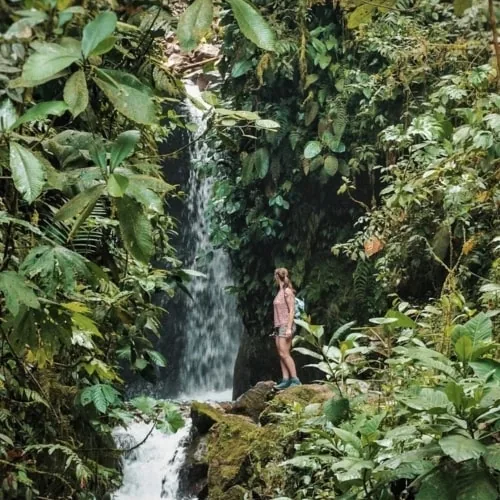
Ecuador has an odd geography: the islands you came for sit 1,000 km offshore, and the cloud forest you have been reading about is a two-hour drive from the capital. The good news is that the two fit into one trip without heroic scheduling, and that with a cruise booked through us the Mindo half is included. The question is not whether to combine them but how many days each deserves and in which order. Here are the three shapes that work, built from what guests actually book.
The two halves, briefly
Galápagos. A cruise of 4 to 7 nights covers one or two regions of the archipelago; the cruise itineraries explained page decodes the routes, and the fares and departures are live in our cruise finder.
Mindo Cloud Forest. On the western slope of the Andes at 1,300 metres, inside the Chocó Andino, the birding heavyweight of the mainland: the Mindo Christmas Bird Count has topped 400 species in a day, and the town of some 1,200 people has around 60 certified birding guides. Beyond birds: waterfalls reached by a cable car across the valley, a butterfly garden, ziplines, bean-to-bar chocolate, and our lodge, Las Terrazas de Dana Boutique Lodge & Spa, where every cruise we book includes a stay with meals and transfers (the tiers are in the complimentary nights guide).
Quito, the hinge between them: the first city named a UNESCO World Heritage Site, at 2,850 metres, with the old town worth an afternoon and the altitude worth respecting on day one.
The 10-day version: cruise plus a short Mindo
| Day | Where | What |
|---|---|---|
| 1 | Quito | Arrive, sleep at altitude; an easy walk in the old town if you land early |
| 2–6 | Galápagos | Fly to Baltra or San Cristóbal, board a 4-night cruise: one region done well |
| 6 | Quito | Fly back in the afternoon; private transfer straight to Mindo if you land before 15:00, otherwise a night in the city |
| 7–9 | Mindo Cloud Forest | Hummingbirds and the butterfly garden, the waterfalls and the chocolate tour, a birding dawn |
| 10 | Quito | Transfer in the morning, fly home in the evening or the next day |
The tightest version, and it works, with one warning: two full days in Mindo means a little of everything rather than a lot of anything. Serious birders should read this as a 12-day trip.
The 12-day version: cruise plus the full Mindo stay
| Day | Where | What |
|---|---|---|
| 1–2 | Quito | Arrive; the old town and the altitude, gently |
| 3–9 | Galápagos | A 7-night cruise: two regions, most of the headline species |
| 9 | Quito | Fly back, overnight in the city, or transfer to Mindo the same afternoon |
| 10–12 | Mindo Cloud Forest | Three nights: the waterfalls, the hummingbirds, the chocolate, a full guided birding day, the spa; dinner at Brito Restaurante |
| 13 | Quito | Transfer and fly home |
The one we would pick. Twelve days lets you put Mindo before or after the cruise; after is the popular choice, before is the one we quietly argue for, because you arrive at the yacht rested and acclimatised instead of ending the trip with a drive over the mountains. The case for first is on its own page: Quito and Mindo before your cruise.
The 14-day version: cruise, Mindo and more Ecuador
Two weeks is where a third element fits:
- A 7-night cruise, four nights in Mindo, two nights in Quito. The fourth Mindo day buys a full birding day at higher altitude with a certified guide, or a day of nothing, which has its own value after a cruise.
- A 5-night cruise, three nights in Mindo, three days for Quito and the highlands: Otavalo’s market, Cotopaxi, the train. For travellers who want cities and markets in the mix.
- A 4-night cruise plus three land days in the islands, then Mindo. The hybrid that most of our guests with two weeks end up booking: the remote islands from the yacht, then Tortuga Bay, the highlands and Los Túneles from a hotel, then the forest. The 7-day Galápagos itinerary has the island half.
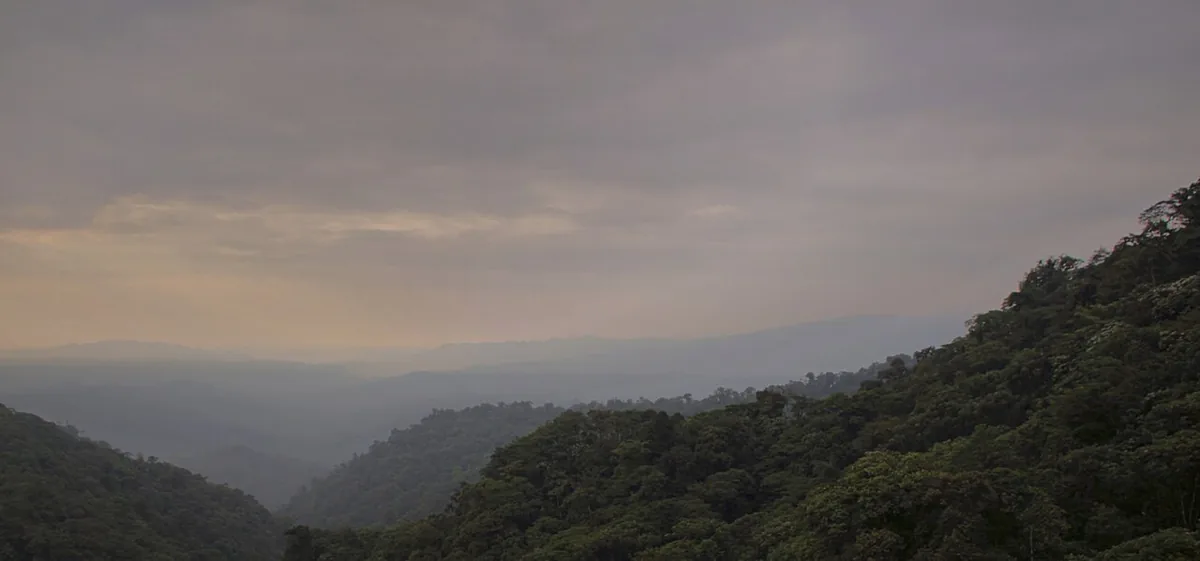
Cloud forest first or last?
Last is the default and it is good: the cruise is the demanding half, the forest is the decompression, and you fly home rested. First wins in two cases. Altitude: landing at 2,850 metres and going straight to a boat stacks two adjustments; a night in Quito and two in Mindo at 1,300 metres fixes it. Luggage: you leave the big bag in Quito and go to the forest with a daypack. Last wins for birders with a target list, who can take the 5:30 cock-of-the-rock lek without a flight to catch, and for anyone travelling from late October to April, when the forest rains most afternoons and a wet day is easier to take after the main event than before it.
What to cut if you only have ten days
Cut Otavalo and Baños first: both are fine, neither is why you flew to Ecuador, and each adds a hotel change and half a day of driving. Keep one Quito night on arrival for the altitude and, if you can, one before the international flight. Then shorten the cruise before you shorten Mindo: a 4-night cruise plus three forest days beats a 7-night cruise plus a rushed overnight in Mindo, unless a specific western or northern landing is why you chose the longer yacht. And drop the idea of a Mindo day trip from Quito entirely: it burns four hours in the car, arrives as the afternoon rain builds, and leaves before the dawn that makes the forest worth visiting.
The two seasons
The two halves have different calendars, which most combined itineraries ignore. Galápagos is good all year: warm, calm and clear from December to May; cooler, choppier and richer in marine life from June to November. Mindo is wetter from late October to April, with rain most afternoons, and drier the rest of the year. You cannot have both at their driest. Birders who want easy forest trails lean to June–September; snorkellers who want warm water lean to December–May and accept an umbrella in Mindo. Our best time to visit Galápagos guide has the island calendar month by month.
What the mainland half costs
With a cruise booked through us, the Mindo nights, meals and transfers are included, and on fares of US$3,500 and US$5,000 per person the activities, a private guide and private transport are included too. Beyond that, the mainland is the cheap half of Ecuador: a Quito hotel night runs US$80–200, a private Quito–Mindo transfer about US$105 each way if you need an extra one, activities US$5–25 each, a certified birding guide US$90 for a half day and US$150 for a full day. Against a cruise that costs several times that per day, the forest is the least expensive part of a combined trip by a wide margin, which is the financial argument for giving it three or four days rather than two.
Logistics that apply to every version
- Leave buffer around the Galápagos flights. They check in early and do not flex. Never plan a same-day Mindo arrival for a cruise embarkation day.
- Mind the altitude sequence. Quito first and gently; Mindo is the relief.
- Decide what Mindo is for before you go. Birds need early mornings and a guide; waterfalls need afternoons and dry-ish weather; chocolate and the spa fit any hour. The lodge sequences it for you when you say which matters most.
- Count the entry costs once. The US$200 park fee and the US$20 TCT are the same whatever the itinerary; the entry fee guide explains both.
Frequently asked questions
Can you combine Galápagos and Mindo in one trip?
Yes, easily: Mindo is two hours from Quito, where every Galápagos flight connects. Ten days fits a 4-night cruise and two Mindo nights; twelve fits a 7-night cruise and three.
Should I visit Mindo before or after a Galápagos cruise?
After, for decompression and early-morning birding; before, for altitude acclimatisation and lighter luggage. Both work, and the stay included with our cruises can go either side.
How many days do you need in Mindo?
Two nights cover the essentials; three let you do waterfalls, hummingbirds, chocolate and a birding dawn without rushing; four add a full guided birding day or a day of rest.
Is Mindo included with a Galápagos cruise?
With every cruise booked through Galapagos Dana Tours, yes: nights at Las Terrazas de Dana Boutique Lodge & Spa, all meals and private transfers, with activities and a private guide added on higher fares.
What is the best time to combine Galápagos and Mindo?
June to September for dry forest trails and rich island waters; December to May for warm, calm seas and afternoon rain in the forest. Avoid August and Christmas if prices matter.
Related reading
The included stay and its tiers are in the complimentary nights guide; the case for the forest first is in Quito and Mindo before your cruise; the couples’ version is the Ecuador honeymoon itinerary; and the family version is the family itinerary.
Sources
- Las Terrazas de Dana Boutique Lodge & Spa, Mindo
- Cruises with Mindo All-Inclusive, Galapagos Dana Tours
- Weather and wildlife by month, IGTOA
Last verified: October 2026
After the islands, the cloud forest: Las Terrazas de Dana Boutique Lodge & Spa, Mindo Cloud Forest, included with every cruise we book.