
Travel guide · Planning
Is Galápagos Safe? What You Actually Need to Worry About
Honest safety guide to Galápagos: crime reality, ocean currents, sun exposure, ferry crossings and medical care, with precautions that matter.
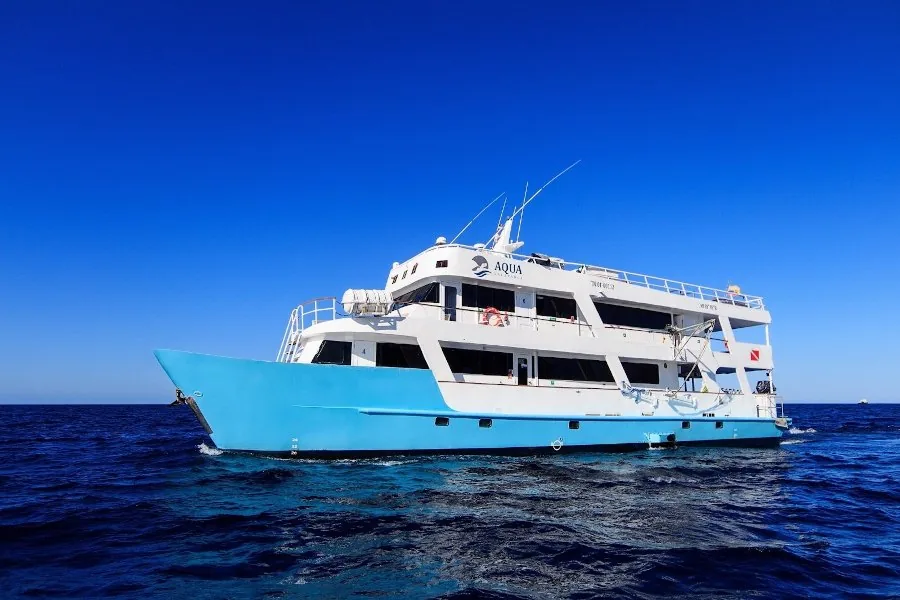
The short answer is yes, Galápagos is safe, and most visitors leave saying the towns feel relaxed. That does not mean there is nothing to plan for. The risks here come from the ocean, the sun and the terrain, not from people, and they deserve a bit of respect.
Crime and petty theft
Puerto Ayora, Puerto Baquerizo Moreno and Puerto Villamil are towns where everyone knows everyone. A stolen phone is a social event; somebody will know who took it. Opportunistic theft exists, mostly the leave-your-camera-on-the-beach kind, so keep the normal habits: don’t leave gear unattended on the sand, use your room safe, and keep an eye on bags in ferry terminals.
The riskiest part of your trip for theft is the mainland transit. Quito and Guayaquil deserve standard big-city caution, especially around transport hubs. Once you land in the islands, you can relax a notch.
The water is where people get hurt
The Pacific around the archipelago is not a swimming pool. Currents run strong, and they peak between August and October, when they are at their strongest of the year and swell pushes against west- and south-facing coasts. A few rules we give every guest:
- Never snorkel alone, and never without telling someone where you are.
- Ask your guide about conditions before entering the water at a new site. A handful of famous spots carry strong currents and are not for beginners.
- Stay close to shore if you are new to open-water snorkeling.
- On day boats, do what the crew says the first time. They know this water.
The wildlife rule of keeping 2 meters of distance exists for the animals, but it doubles as protection for you. A bull sea lion guarding his harem in breeding season is not interested in negotiating.
Terrain, trails and footwear
Lava rock is sharp, uneven and slippery when wet. Most visitor sites follow marked trails for a reason, and staying on them is both a park rule and a way to avoid a twisted ankle 40 minutes from the dock. Bring closed shoes with real soles for landings, and save the flip-flops for the boat.
Sun at the equator
You are 0 degrees of latitude from the sun, and the garúa clouds of the dry season trick people into underestimating it. Use a hat, cover-up clothing and reef-safe sunscreen. Note that sunscreens containing oxybenzone, octinoxate and similar chemicals are restricted in the marine reserve, so check the label before you pack.
Medical care on the islands
The three inhabited islands have basic hospitals, and most cruise vessels carry medical supplies, but serious problems mean evacuation to the continent. Two practical moves: pack your own prescription medications with a few days of margin, and travel with insurance that covers evacuation and dive activities if you plan to dive. Our guide to travel insurance for Galápagos covers what a policy actually needs.
Ferries and small boats
The interisland launches carry 20 to 40 passengers, and crews hand out life jackets before departure. Morning crossings run visibly calmer than afternoon ones because the wind builds through the day, so if someone in your group is nervous on the water, book the earlier departure. Sit down while underway, keep dry bags zipped, and don’t argue with a captain who reassigns passengers between boats on a rough day.
Wildlife encounters, ranked by realism
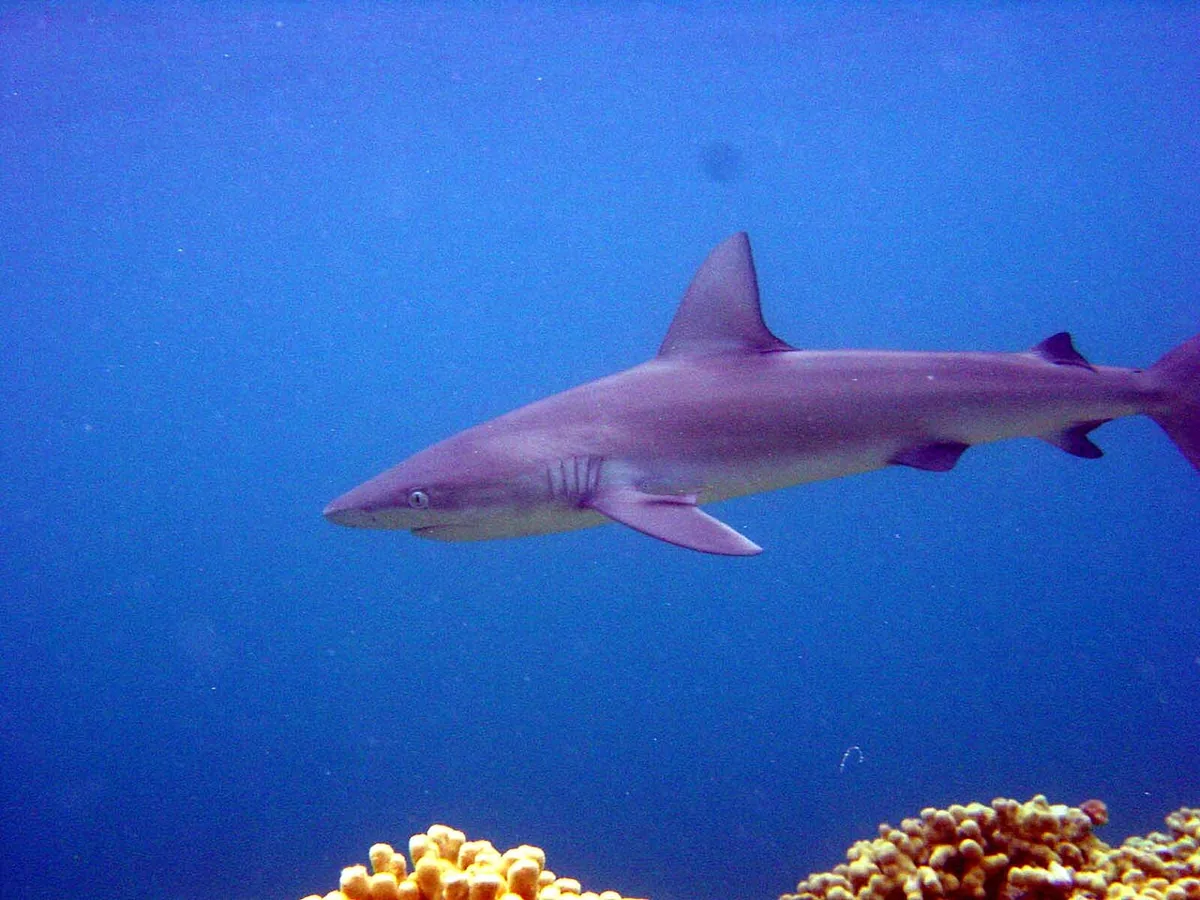
Nothing on land wants to hurt you. The honest advice: give nesting birds a wide berth, don’t put your hand near an iguana no matter how bored it looks, and teach kids that feeding animals is off-limits. In the water, sharks are shy, rays are harmless if you don’t step on them, and sea lions mostly want to show off. Respect the 2-meter rule and the animals stay relaxed.
Emergency basics
Dial 911: Ecuador runs one national emergency number, and it works in the islands. The ECU 911 service operates a dedicated local center in San Cristóbal (opened in 2015) that coordinates police, fire, navy and health response across all three inhabited islands, 24/7, with video-surveillance cameras covering the towns of Santa Cruz, San Cristóbal and Isabela. Coverage fades fast outside the towns and at sea, where the navy (Capitanía) and your boat or tour operator are the real first responders, so before you head to a remote site, know where the nearest ranger post or town is. Travel insurance with a 24-hour assistance line takes care of most coordination for you.
For divers there is one more layer: a hyperbaric (recompression) chamber operates in Puerto Ayora, run by Protesub S.A. as part of the international SSS Recompression Chamber Network, on emergency duty 24 hours. It is the only chamber in the archipelago, which is one more reason serious dive plans belong with operators tied to it.
Frequently asked questions
Is Galápagos safe for tourists?
Yes. The towns are small and relaxed, and the real risks are the ocean, the sun and the lava terrain rather than people. Mainland transit through Quito and Guayaquil deserves normal big-city caution.
Are there dangerous animals in Galápagos?
Nothing on land wants to hurt you. Sharks are shy, rays are harmless unless stepped on, and sea lion bulls only posture if you crowd a harem. Keep the 2-metre rule and the animals stay relaxed.
What is the emergency number in Galápagos?
- ECU 911 runs a local centre in San Cristóbal that coordinates police, navy, fire and health across the inhabited islands. Outside the towns and at sea, your guide, boat and the navy are the first responders.
Sources
- ECU 911 national coverage
- Hospital opening in Galápagos, El Telégrafo
- Visiting rules, Galápagos National Park Directorate
- Galápagos weather and seasons, International Galápagos Tour Operators Association (IGTOA)
Last verified: October 2026