Chocó Andino and East Slope · Private bird photography tour · 12 days / 11 nights
Our longest photo tour from Mindo: the feeders, hides and leks of the Chocó Andino, the Andean Condor at Antisana, and the hummingbird feeders of Guango, San Isidro and Wildsumaco on the eastern slope, with a local guide who knows where the light falls.

Your tour at a glance
A private bird photography tour of the Chocó Andino, based at our own lodge in Mindo Cloud Forest. Every day is spent where the birds are: hummingbird and fruit feeders, hides in private reserves and leks, chosen for natural perches, clean backgrounds and good light. Beginners get frame-filling shots from day one, and professionals can ask us to plan around their target species. After six days in the Chocó, the tour crosses the Andes to the eastern slope: Guango, San Isidro and Wildsumaco, on the edge of the Amazon.
| Travel style | Luxury |
|---|---|
| Highlights | Hummingbirds, toucans, Andean Condor, East Slope specialties |
| Fitness level | Fair condition |
| Group | Private: just you and your companions |
| Starts and ends | Your hotel in Quito or the airport area |
| Price | From US$4,600 per person |
Day by day
Day 1
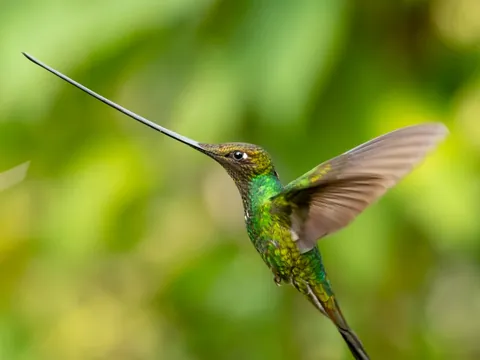
Morning. Pick-up at 6:00 am at your hotel in Quito or the airport area, with a breakfast box, and straight to Zuro Loma, a small private reserve high in the Andes on the way to Mindo. Its hummingbird feeders give you the first frames of the trip: the Sword-billed Hummingbird, the only bird with a bill longer than its body, plus sunbeams and pufflegs.
Afternoon. Lunch at a restaurant on the way down to Mindo Cloud Forest, and more feeder stops on the road if the light and the birds are good, before check-in at Las Terrazas de Dana Boutique Lodge & Spa.
Key species: Sword-billed Hummingbird, Shining Sunbeam, Golden-breasted Puffleg, Andean Guan, Scarlet-bellied Mountain-Tanager.
Day 2
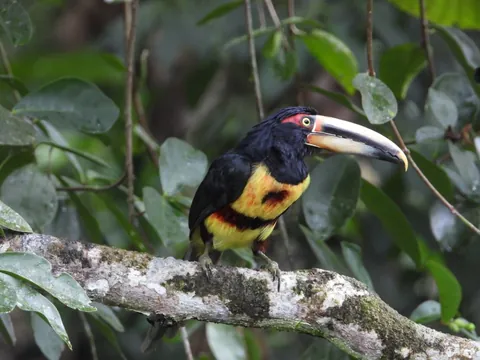
Morning. Out early with a breakfast box to the Fruit Tour feeder in the Silanche area, in the warm Chocó lowlands, the lowest point of the trip. The fruit feeder brings lowland birds such as trogons, jacamars and puffbirds within range of your lens.
Afternoon. Lunch at a local restaurant on the way, then the Milpe Bird Sanctuary of the Mindo Cloudforest Foundation (1,020–1,150 m), in the Chocó-Andean foothills, where the foundation describes its Club-winged and Golden-winged Manakins as relatively easy to observe and photograph.
Key species: Chocó Trogon, Rufous-tailed Jacamar, White-whiskered Puffbird, Black-crowned Antshrike, Scarlet-breasted Dacnis, Club-winged Manakin, Green Thorntail, White-whiskered Hermit, Green-crowned Brilliant, Green-crowned Woodnymph.
Day 3
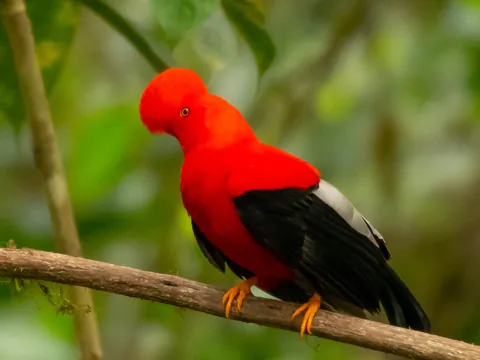
Morning. An early start with a breakfast box to Refugio Paz de las Aves (around 1,600 m / 5,250 ft), the family reserve of Ángel and Rodrigo Paz. First the Andean Cock-of-the-rock lek, where the males display at first light; then the antpittas the Paz brothers taught to come out of the forest when called, which you can photograph at close range.
Afternoon. Lunch at a local restaurant nearby, then La Victoriana, to take the best possible photos of the Andean Cock-of-the-rock.
Key species: Andean Cock-of-the-rock, Giant Antpitta, Moustached Antpitta, Yellow-breasted Antpitta, Chestnut-crowned Antpitta, Ochre-breasted Antpitta, Toucan Barbet.
Day 4
Morning. The Mashpi Road and the Amagusa Reserve (1,700 to 750 m), a private reserve inside the Mashpi–Pachijal Important Bird Area, known for Chocó endemics. Breakfast box at the Amagusa feeders, with tanagers, hummingbirds and barbets coming in close.
Afternoon. Lunch at a local restaurant, then back to the feeders and the road: this is a place to spend the whole day with the camera. Optional: a visit to Sacha Guatusa in the afternoon.
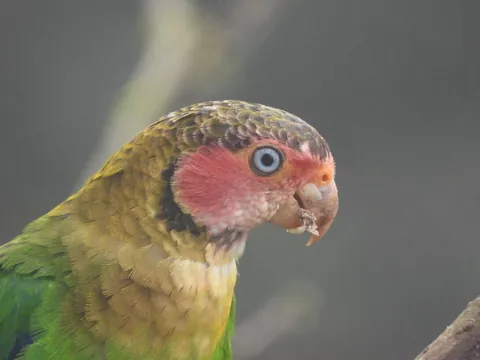
Key species: Indigo Flowerpiercer, Golden-collared Honeycreeper, Black Solitaire, Orange-breasted Fruiteater, Lyre-tailed Nightjar, White-tipped Sicklebill, Chocó Vireo, Chocó Parakeet, Glistening-green Tanager, Black-chinned Mountain-Tanager, Black-striped Sparrow, Flame-faced Tanager, Velvet-purple Coronet, Violet-tailed Sylph, Booted Racket-tail, Toucan Barbet.
Day 5
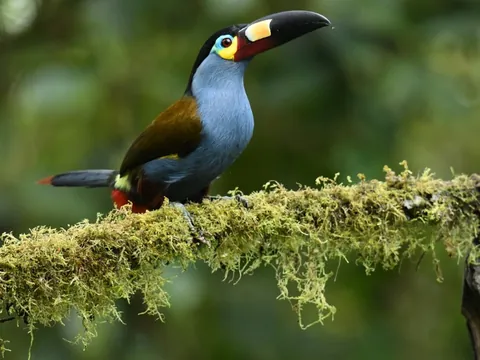
Morning. Birdwatchers House, a private reserve in the Santa Rosa sector of Mindo designed for bird photography, with hides, a reflection pool and feeders that bring in hummingbirds, tanagers and toucans (almost 120 species recorded, among them five antpittas). Targets include the Plate-billed Mountain-Toucan, the Blue-capped Tanager and the Hoary Puffleg.
Afternoon. Lunch at the lodge, then Punto Ornitológico or the Hermit Trail in Mindo village (about 1,200 m / 3,900 ft), for the Sunbittern, kingfishers and the Rose-faced Parrot.
Key species: Plate-billed Mountain-Toucan, Blue-capped Tanager, Hoary Puffleg, Crested Guan, Rose-faced Parrot, Bat Falcon, Sunbittern, White-throated Crake, Red-headed Barbet, Ringed Kingfisher, Black-faced Dacnis, Green Thorntail, Crowned Woodnymph.
Day 6
Morning. The Sachatamia hide and feeders, near Mindo: from the hide you photograph forest birds such as the Masked Trogon, the Rufous Motmot and the Squirrel Cuckoo without disturbing them.
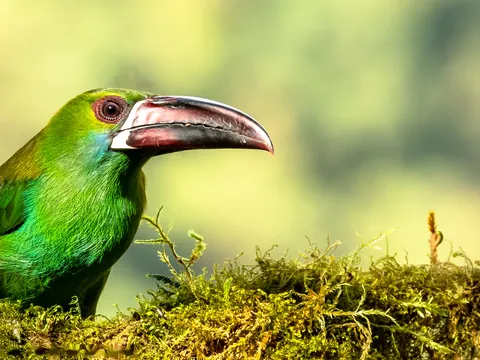
Afternoon. Lunch at a local restaurant, then Balcón Tumpiki, a birding lodge at kilometer 69 of the Calacalí road near Nanegalito, for toucans: the Plate-billed Mountain-Toucan, the Crimson-rumped Toucanet and the Toucan Barbet.
Key species: Masked Trogon, Strong-billed Woodcreeper, Rufous Motmot, Squirrel Cuckoo, Plate-billed Mountain-Toucan, Crimson-rumped Toucanet, Toucan Barbet.
Day 7
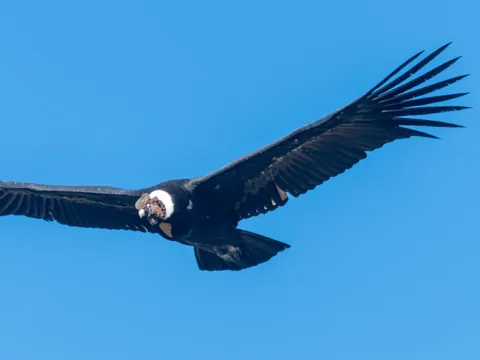
Morning. Check out of Las Terrazas de Dana and head to Antisana National Park, southeast of Quito: open high-Andean grasslands above 4,000 m and the snow-capped Antisana volcano, a dramatic setting for the Andean Condor and high-Andean hummingbirds.
Afternoon. Lunch at the Tambo Cóndor restaurant, which has hummingbird feeders, then on to Guango Lodge, at about 2,700 m on the eastern slope of the Andes.
Key species: Andean Condor, Giant Hummingbird, Ecuadorian Hillstar.
Day 8
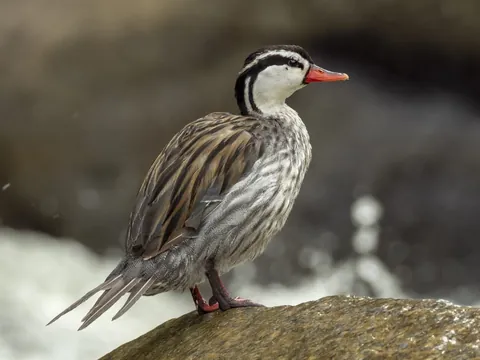
Morning. The hummingbird feeders of Guango, with around 15 species in the area, and the river for the Torrent Duck: Guango is one of the easiest places on this road to find it.
Afternoon. Continue down the eastern slope to San Isidro.
Key species: Gray-breasted Mountain-Toucan, Hooded Mountain-Tanager, Torrent Duck, Sword-billed Hummingbird, Collared Inca, Chestnut-breasted Coronet, White-bellied Woodstar, Long-tailed Sylph, Tourmaline Sunangel.
Day 9
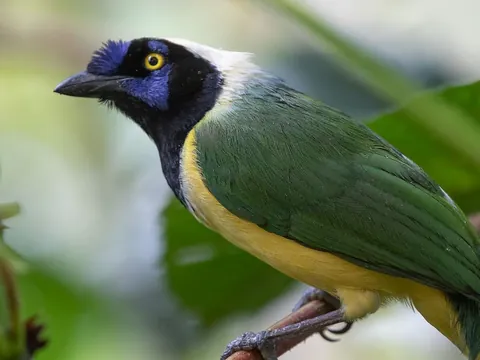
Morning. A full day at San Isidro (around 2,000 m), a private reserve of mostly primary forest with hummingbird feeders and antpitta feeding stations close to the lodge.
Afternoon. Lunch and more photography in the reserve, with time for the hummingbird feeders at La Brisa.
Key species: Green Jay (Inca Jay), Saffron-crowned Tanager, Plain-backed Antpitta.
Day 10
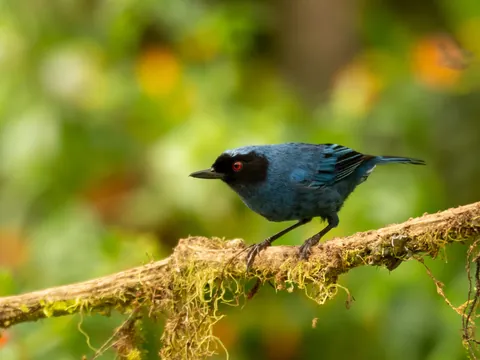
Morning. A last session at the San Isidro feeders before check-out.
Afternoon. A lunch box on the road and a visit to the Wayra Reserve on the way down to Wildsumaco.
Key species: Green Jay (Inca Jay), Saffron-crowned Tanager, Plain-backed Antpitta.
Day 11
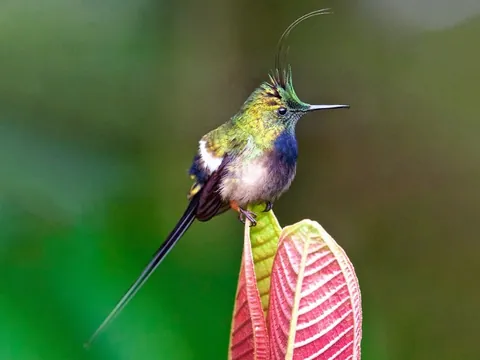
Morning. A full day at Wildsumaco (about 1,400 m), beside Sumaco National Park: its feeders are a classic place to photograph the Wire-crested Thorntail among many other hummingbirds.
Afternoon. Lunch and more time at the feeders and on the trails.
Key species: Rufous-booted Racket-tail, Wire-crested Thorntail, Violet-fronted Brilliant, Russet Antshrike, Peruvian Warbling-Antbird, Blue-crowned Manakin, White-crowned Manakin.
Day 12
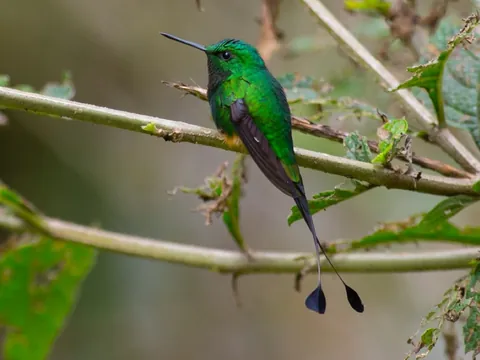
Morning. A last morning at the Wildsumaco feeders and trails.
Afternoon. Lunch and private transfer to your hotel in Quito or the airport area.
Key species: Rufous-booted Racket-tail, Wire-crested Thorntail, Violet-fronted Brilliant, Russet Antshrike, Peruvian Warbling-Antbird, Blue-crowned Manakin, White-crowned Manakin.
The itinerary may change with the weather, the birds and the opening of each reserve; your guide always looks for the best option of the day.
How a photo day works
What to bring: a telephoto in the 400–600 mm range covers most birds, and a 100–400 mm zoom is very versatile at the feeders. A tripod or monopod helps in the dim forest, and a rain cover for camera and lens is essential. Bring spare batteries and memory cards: the feeders are busy.
Where you photograph
Northwest Ecuador is part of the Chocó bioregion, famous for its endemic birds. In 2018 UNESCO declared the Chocó Andino de Pichincha, around 286,000 hectares northwest of Quito, a Biosphere Reserve. Mindo is its best-known birding hotspot: more than 500 species have been recorded around the town, and its Christmas Bird Count topped the world list for several years in a row, with more than 400 species counted in a day.
On this tour you photograph birds from the high Andes down to the Chocó lowlands, and then down the eastern slope of the Andes, from Guango at about 2,700 m to Wildsumaco at about 1,400 m, in the Amazon foothills.
Where you stay
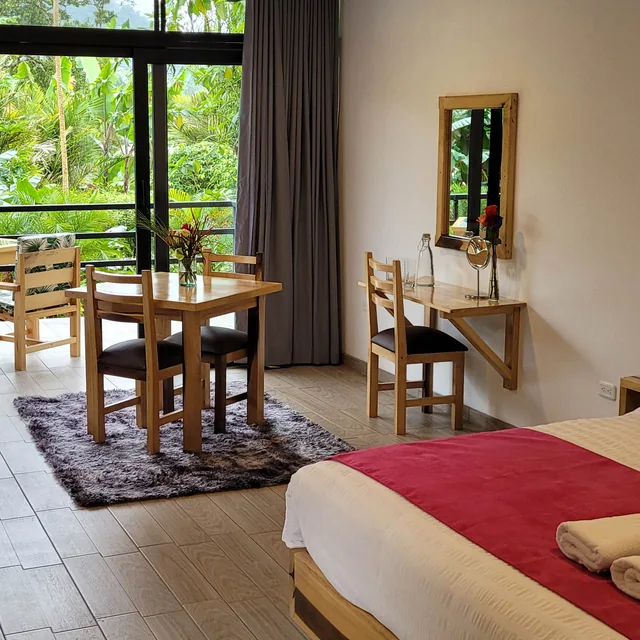
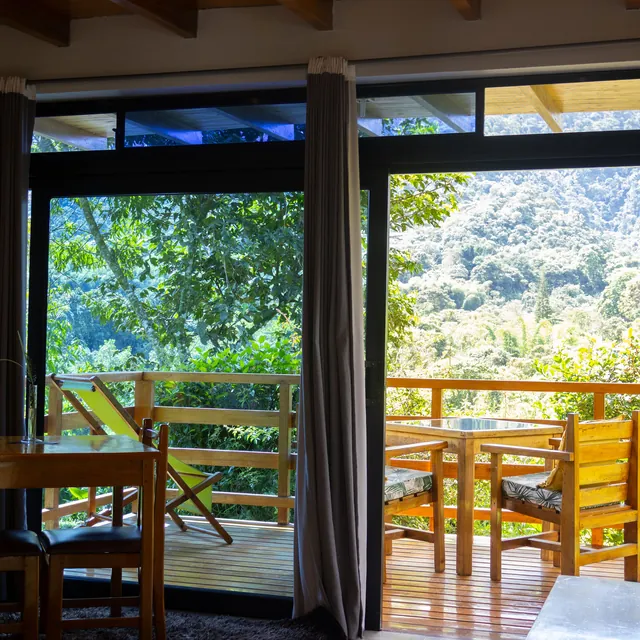
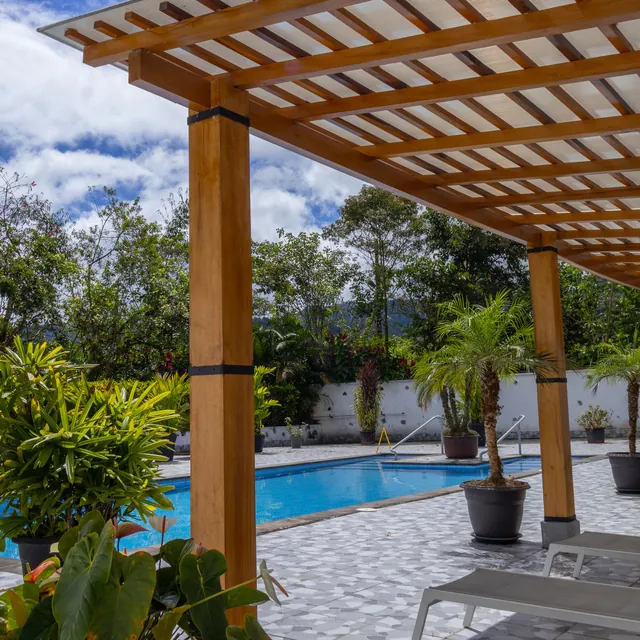
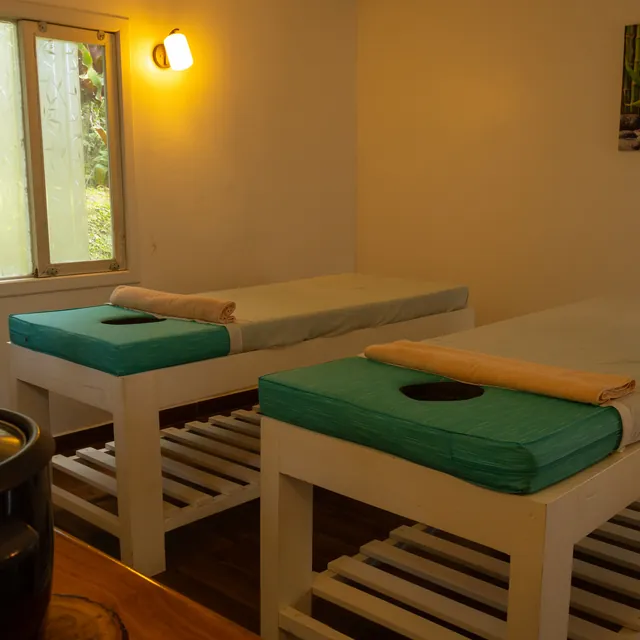
We built and run Las Terrazas de Dana, a boutique lodge and spa in Mindo Cloud Forest, two hours from Quito, rated among the best in Mindo on Tripadvisor and Booking.com.
After a day in the field, come back to a quiet room over the forest, a swim or a massage, and dinner at our restaurant. On early days, a breakfast box is ready before you leave.
On the East Slope you stay at Guango Lodge, San Isidro Lodge and Wildsumaco Lodge, birding lodges in or beside the reserves you visit.
Our birding professional guides
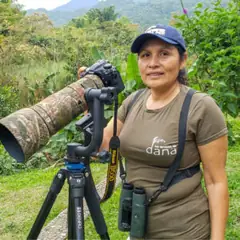 Julia PatiñoBirding guide
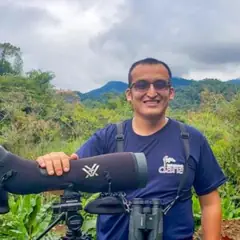 Nelson ApoloBirding guide
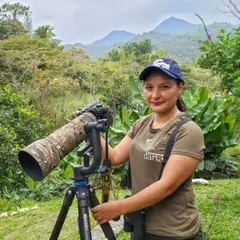 Natalia EscobarBirding guide
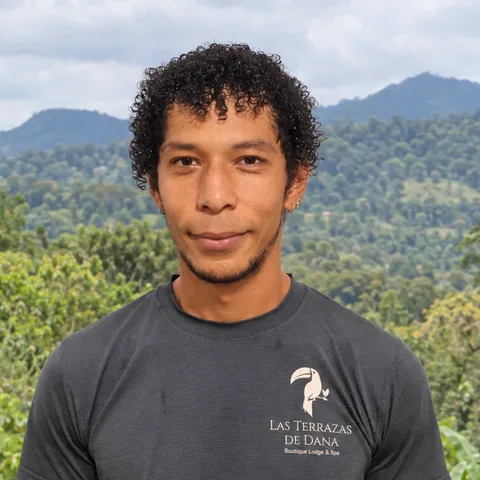 Anthony DíazBirding guide
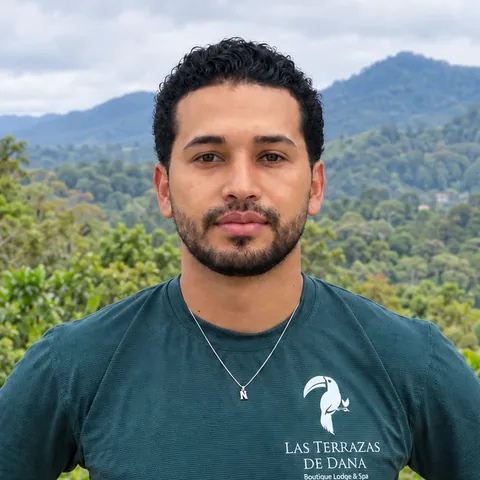 Antony DuránBirding guide
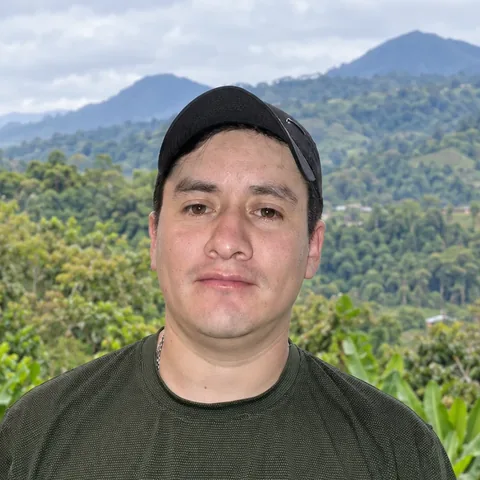 David LaraBirding guide
“Special thanks to Julia for her phenomenal guiding and viewing of so many incredible species that only a local guide would know.” — cyclegirl, on Tripadvisor
Compare
| Tour | Route | Highlights | Price per person |
|---|---|---|---|
| 3 days2 nights at our lodge | Zuro Loma · Silanche and Milpe · Birdwatchers House | Hummingbirds, Chocó lowland birds, Plate-billed Mountain-Toucan | From US$1,100 |
| 4 days3 nights at our lodge | Zuro Loma · Silanche and Milpe · Paz de las Aves · Birdwatchers House | Hummingbirds, Andean Cock-of-the-rock, antpittas at Paz de las Aves | From US$1,400 |
| 5 days4 nights at our lodge | Zuro Loma · Paz de las Aves · Amagusa and Mashpi Road · Birdwatchers House · Sachatamia | Hummingbirds, Andean Cock-of-the-rock, Chocó endemics | From US$1,800 |
| 6 days5 nights at our lodge | Zuro Loma · Silanche and Milpe · Paz de las Aves · Amagusa and Mashpi Road · Birdwatchers House · Antisana | Hummingbirds, Chocó endemics, Andean Condor | From US$2,100 |
| 7 days6 nights at our lodge | Zuro Loma · Silanche and Milpe · Paz de las Aves · Amagusa and Mashpi Road · Birdwatchers House · Sachatamia and Balcón Tumpiki · Antisana | Hummingbirds, toucans, Andean Condor | From US$2,550 |
| 12 days · you are here6 nights at our lodge + 5 on the East Slope | Zuro Loma · Silanche and Milpe · Paz de las Aves · Amagusa and Mashpi Road · Birdwatchers House · Sachatamia and Balcón Tumpiki · Antisana · Guango · San Isidro · Wayra · Wildsumaco | Hummingbirds, toucans, Andean Condor, East Slope specialties | From US$4,600 |
Longer: the 14-day Southern Ecuador photo tour. Have your own target species or group? Tailor-made bird photography tours. See all our bird photography tours.
Price
| 12 days / 11 nights | From US$4,600 per person |
|---|
The price per person depends on the size of your group and your dates: larger groups get a lower price per person. Private transport from Quito or the airport area is included. We send you the exact quote within 24 hours.
Our reservation policy. Pay a 20% deposit to book; the remaining 80% is paid on arrival at Las Terrazas de Dana. Full conditions in our terms.
More into birding than photography? See the 12-day birding tour.
Questions
About two hours by road. Your guide and driver pick you up at 6:00 am at your hotel in Quito or the airport area on day 1 and take you back on the last day.
All year round. Around Mindo, June to December is usually a little drier, while January to May brings more afternoon rain and many birds are singing and breeding. In any season the first hours after dawn are the most active, and rain, when it comes, usually falls in the afternoon.
Yes. Feeders and hides make it easy to get great images from the first day, and the guide helps you with positions, light and bird behavior. Professionals can ask for a program built around specific species and set-ups.
Usually not: you leave with a breakfast box and have lunch at local restaurants near the reserves, so you can stay with the birds all day. The exception is the Birdwatchers House day, when the afternoon is in Mindo village and lunch is at the lodge.
Our programs are private: just you and your companions. Tailored photo trips are for groups of up to 8 photographers.
Yes, it is our favorite combination. Every Galápagos cruise booked with us includes complimentary nights at our lodge in Mindo Cloud Forest.
Yes: tell us your dates, your group and your target species, and we adapt the days or create a custom program, from a half-day birding tour to our Mindo all-inclusive programs.
That’s why you choose Dana Tours
Tell us your dates and how many people are traveling. We confirm the guide and the lodge and send you the final price within 24 hours.
Or write to us at [email protected]