
Travel guide · Planning
Responsible tourism in Galápagos: the rules that matter and the habits that help
How to visit Galápagos without leaving a mark: the park rules that matter most, biosecurity, reef-safe sunscreen, plastics, where your money should land and…
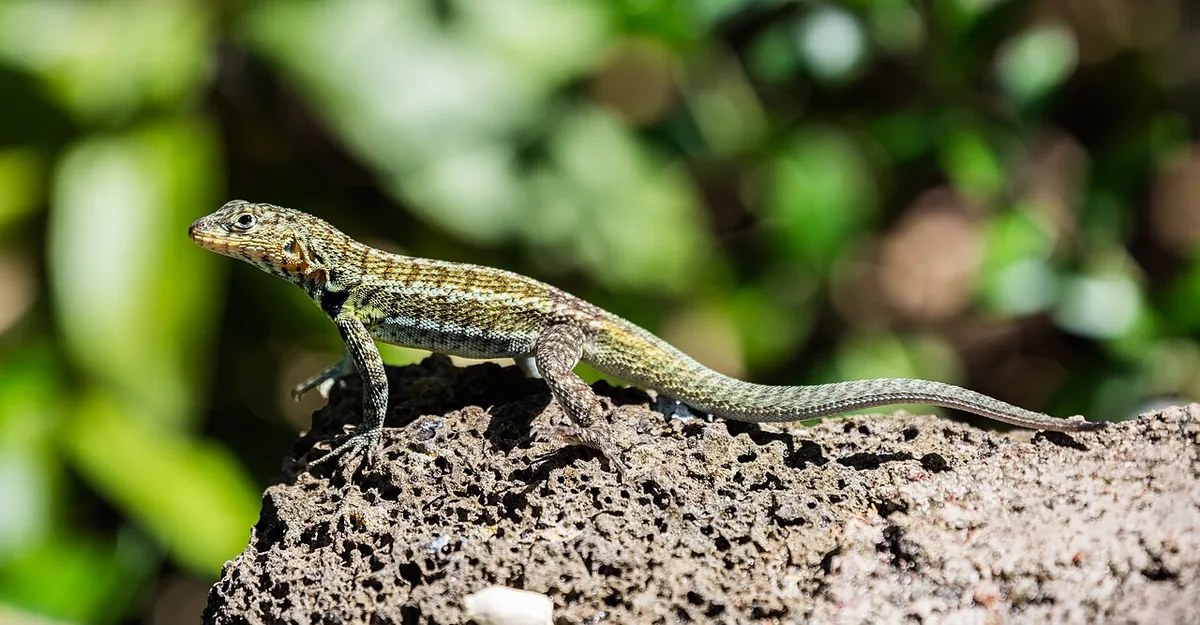
Responsible tourism in Galápagos is not a mood, it is a rulebook with a budget attached. The park’s visitor rules are written law, enforced by licensed guides, and the reason the wildlife you came for still behaves as if it owns the place. Your entry fee funds a restoration programme that has removed goats by the hundred thousand and put tortoises back on islands that lost them. This page covers the rules that matter most in practice, the systems behind them, and the choices you make as a traveller that change anything.
The rules that matter most in practice
The full list of 17 is in our guide to the national park rules. Five of them do most of the work:
| Rule | Why it exists |
|---|---|
| Two metres from every animal, cameras included | The animals’ tameness took generations of protected indifference to develop; one bad season of harassment can undo it |
| Stay on the trail | Nests, burrows and seedlings are everywhere, and most of them are invisible to you |
| No food, seeds, plants or animals into the islands, or between them | Invasive species are the biggest threat to the archipelago, bigger than tourism itself |
| Take nothing, not even a shell | Multiply “one small shell” by 300,000 visitors a year |
| Only licensed guides, boats and operators | The licence system is how the park controls numbers, timing and behaviour at every site |
The distance rule is the one visitors break most, usually with the best intentions and a phone. The animals decide how close is close; two metres is the floor, not the target.
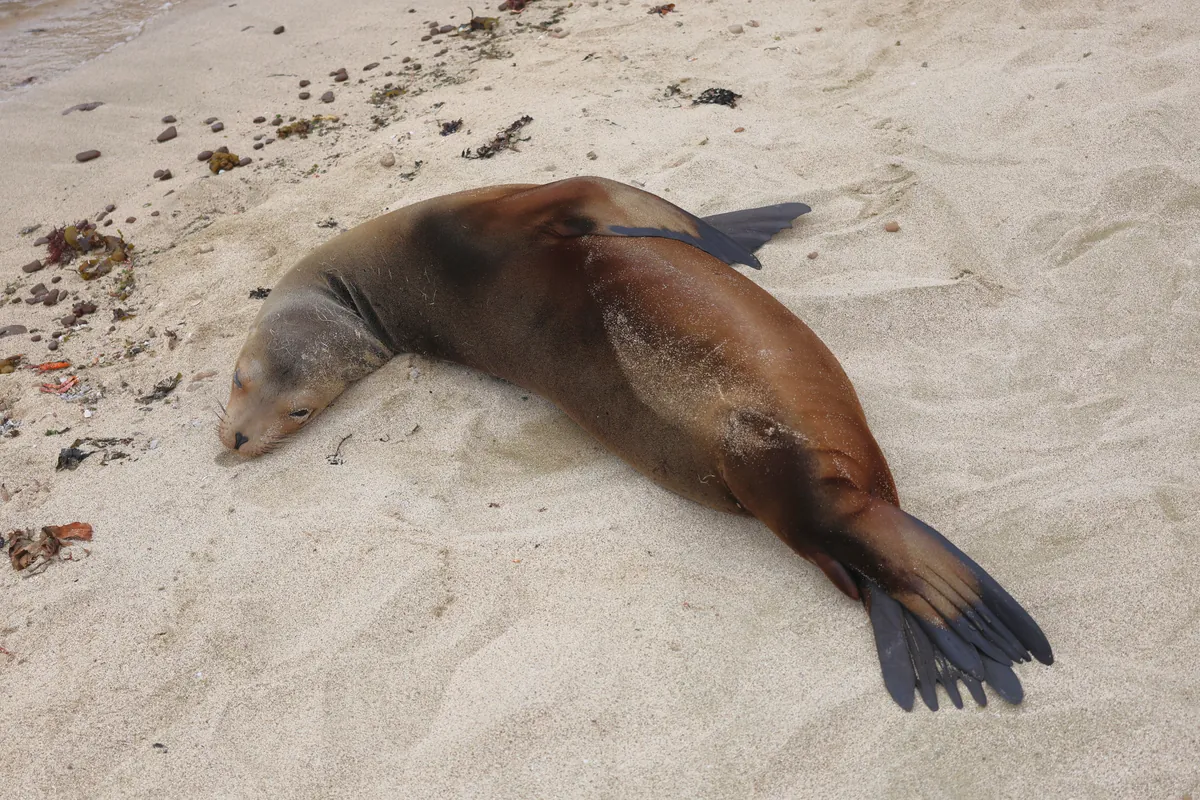
How visiting actually protects the islands
The system is built so that tourism pays for conservation and stays small enough not to overwhelm it. Entry to the protected areas is only with a naturalist guide licensed by the park, in groups of at most 16, on authorised boats that carry at most 16 passengers each. Sites have scheduled slots and capacity limits. And the entry fee, US$200 per foreign adult since August 2024, goes to the park and the province.
Booking with a licensed operator is therefore not a formality: it is the mechanism that keeps the whole model funded, monitored and honest. A good guide is also half the product, turning a sea lion into a story and a rule into a reason.
What the fee repairs
Galápagos is not untouched wilderness; it is actively repaired wilderness. In the largest island-restoration project attempted anywhere at the time, rangers removed more than 140,000 feral goats from Isabela, Santiago and Pinta, at a cost of around US$10.5 million; Santiago alone took 79,579 animals over four and a half years. Rats were eradicated from Pinzón and Rábida, and Pinzón’s tortoises hatched in the wild again in 2014 after a century without a single wild-born survivor. In February 2026, 158 young giant tortoises of the Floreana lineage were released into the island’s highlands, the first Floreana tortoises home in more than 180 years, bred from descendants found on Wolf Volcano on Isabela. The programme is run by the National Park, the Charles Darwin Foundation, Galápagos Conservancy and Island Conservation together, and the Charles Darwin Research Station is where you can see it at work.
Biosecurity: the least glamorous, most important habit
The archipelago’s biggest ongoing threat is invasive species, and every traveller is a potential carrier. The food, plant and animal restrictions at airports, docks and ferries are the front line, not bureaucracy. Declare what you carry on the online form before you fly, do not move fruit between islands, do not bring snacks ashore at visitor sites, and clean the mud off your boots between islands, because seeds travel in treads. The Galápagos Biosecurity Agency (ABG) inspects bags more than once on the way in for exactly this reason.
Sunscreen, plastics and water
The park restricts sunscreens containing oxybenzone, octinoxate and similar chemicals that harm marine life, so buy a mineral sunscreen based on zinc oxide or titanium dioxide before you travel. The islands banned single-use plastic bags, straws and bottles years ago: carry a refillable bottle and use the refill stations in hotels and restaurants, because every bottle not imported is one less thing arriving by ship. Tap water is not drinkable; refills are.
Wildlife encounters done right
The wildlife photographs you admire came from patience, not proximity. No flash, no noises to get an animal’s attention, no touching from the panga, and never block an animal’s path between nest and sea. In the water, keep the distance, let the turtle leave, and let the guide call the close encounters. A sea lion that swims up to you is a sea lion’s choice; a swimmer who chases one is a problem the guide has to solve.
Where your money lands
Locally owned hotels, local guides and locally crewed boats keep tourism income in the islands, which is what makes residents care about keeping them intact. Pick operators with real conservation commitments rather than green adjectives, ask direct questions about group size and guide licensing, and prefer smaller groups at visitor sites. On the plate, eat the regulated species in season and skip lobster in the closed months; our what to eat guide explains the calendar.
The deepest version of responsible travel here is attention: learn the animals’ names, learn one island’s story, and you will keep the rules without being told.
Frequently asked questions
What is the biggest threat to the Galápagos Islands?
Invasive species: goats, rats, cats, fire ants, blackberry and hundreds of introduced plants. Tourism’s main risk is as a carrier, which is why biosecurity inspections are strict.
Is tourism bad for Galápagos?
Managed tourism is the islands’ main source of conservation funding and the reason residents have an economic stake in protecting them. The system of licensed guides, small boats and site limits exists to keep it that way.
What sunscreen can I use in Galápagos?
Mineral sunscreens with zinc oxide or titanium dioxide. Products with oxybenzone, octinoxate and similar chemicals are restricted by the park’s visitor rules.
Can I bring a reusable water bottle to Galápagos?
Yes, and you should. Single-use plastic bottles are banned on the islands, tap water is not drinkable, and hotels and restaurants provide refills.
Related reading
The rulebook itself is in the national park rules; what to pack to comply with it is in the packing list; and what the fee funds is in the entry fee guide.
Sources
- Reglas de visita, Galápagos National Park Directorate
- Charles Darwin Foundation
- Galápagos Conservancy: biodiversity and restoration
Last verified: October 2026