
Travel guide · Planning
Galápagos travel guide: everything to plan your trip
Everything you need to plan Galápagos in one place: flights, park fees, cruises vs land trips, budgets, timing and the rules that catch visitors out.
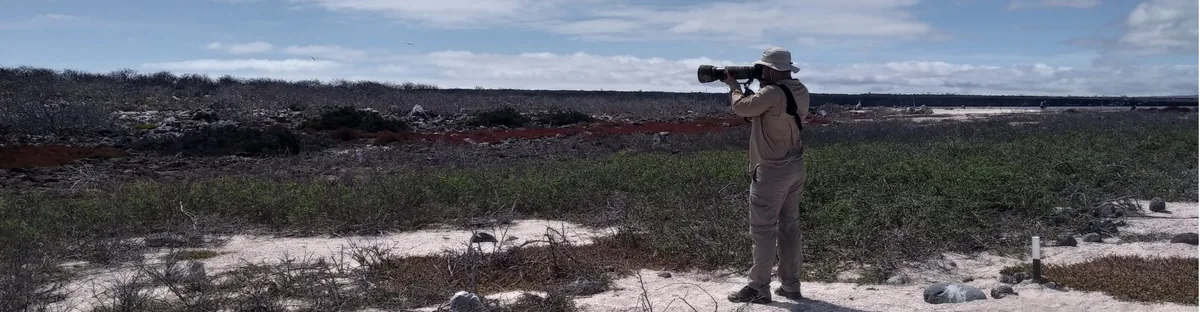
Galápagos is one of the few places on earth where the animals never learned to fear you. That is the whole draw, and it is why planning matters more here than almost anywhere else: access is controlled, entry costs money, and the trip splits cleanly into two styles. This page pulls every planning question into one place and links out to the detail.
We run Las Terrazas de Dana, a small hotel in Mindo on the Ecuadorian mainland, and Galapagos Dana Tours, a local operator with real inventory across every major boat in the islands. Guests ask us the same six questions, so here they are in order.
Getting there: two airlines, two mainland airports
There are no international flights to Galápagos. Everyone connects through Quito (UIO) or Guayaquil (GYE), and in 2026 only two airlines fly the route: Avianca and LATAM. Emetebe operates small inter-island flights between Baltra, San Cristóbal and Isabela, but nothing from the continent.
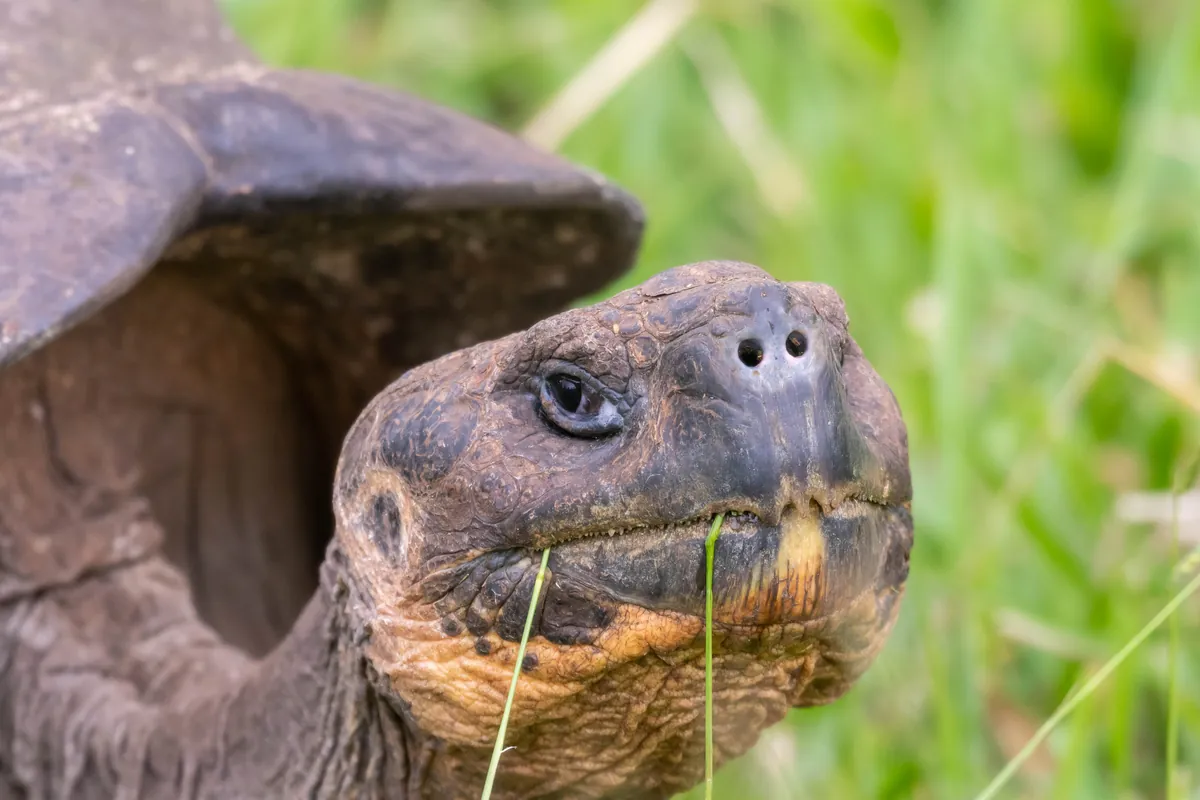
Flights from Quito take around 2h20 to 2h30 including a technical stop in Guayaquil, where you stay on the plane for about 45 minutes. From Guayaquil the hop is 1h30 to 1h55 nonstop. Departures from Quito run between roughly 06:50 and 13:05, which is why the first and last day of any Galápagos trip are travel days. Round-trip fares for foreign visitors land in the 400 to 550 USD range most of the year, higher at Christmas and in July and August. There is also a new route since March 2026: Cuenca to Baltra twice a week on LATAM.
Full breakdown, airline by airline: how to get to Galápagos.
Permits and fees before you fly
Two separate charges catch visitors off guard, because you pay them at two different points:
- The Tarjeta de Control de Tránsito (TCT), a transit control card costing US $20. Register online through the official government portal (recommended 24 to 48 hours before your flight) or pay at the Consejo de Gobierno desk in the Quito or Guayaquil airport before checking in. You keep the card until you leave the islands.
- The Galápagos National Park entrance fee, collected in cash by park rangers when you land at Baltra or San Cristóbal. Foreign visitors over 12 pay US $200; children under 12 pay US $100; nationals and residents pay US $30.
The adult foreign rate doubled to $200 in August 2024, the first increase since 1998, so if a guide quotes $100 it is out of date. We break down every category, including Andean Community and Mercosur discounts, in the guide to entry fees.
Cruise or land-based?
This is the decision that shapes everything else, and there is no universal answer.
A cruise puts you on a boat capped at 16 guests per permit for most vessels, waking up at a new visitor site each day. Remote islands like Fernandina and the western side of Isabela, where you find the flightless cormorant and the biggest marine iguanas, are realistically cruise-only territory. The public ferries only connect the three inhabited islands. The trade-offs: fixed itineraries, potential seasickness, and a higher price floor.
Land-based travel means sleeping in Puerto Ayora (Santa Cruz), Puerto Baquerizo Moreno (San Cristóbal) or Puerto Villamil (Isabela), with day tours by boat and free sites you can reach on your own. You control the pace and the budget, and you trade some remoteness for flexibility. The inter-island ferries run twice a day and take 2 to 2.5 hours per leg.
We sell both, so we have no dog in the fight: our full comparison of cruises vs land-based trips walks through who each style actually suits.
How many days do you need?
Five days is the practical minimum once you subtract the travel days on each end. Seven days is where the trip starts to breathe: enough for a proper cruise or a relaxed two-island land plan. If someone offers you a 4-day cruise, read what that really means (two full days of actual touring) before booking.
Our honest breakdown of 5 vs 7 days includes what flight and ferry schedules do to your usable time, which is more than most itineraries admit.
When to go
Galápagos has two seasons, and both are good for different reasons:
- Warm and wet, roughly December to May: warmer air and water, greener landscapes, nesting season for land birds and marine iguanas.
- Cool and dry, roughly June to November: the Humboldt current chills the water and feeds it, which brings the big marine life. Whale season, albatross on Española, wetsuit weather.
Crowds and flight prices peak around Christmas and New Year and again in July and August. September and October are the quietest months. The best time to visit Galápagos has the full season-by-season table with climate, wildlife, crowds and prices.
What it costs
Some costs are fixed no matter how you travel: the $20 TCT, the $200 park entry for foreign adults, flights at 400 to 550 USD round trip from the mainland, and $50 per ferry leg for tourists since the August 2026 fare change. Beyond that, your daily spend depends almost entirely on the cruise-vs-land choice.
Our Galápagos budget guide itemises the fixed costs from official sources and shows how low, mid-range and high-end trips differ.
Park rules you will actually feel
A naturalist guide licensed by the park must accompany you at every official visitor site, and the rules are enforced by the guides themselves. The ones that matter in practice: stay 2 metres from every animal (that includes your camera), no flash photography, no drones without authorisation from the park, no removing shells or sand, and sunscreen containing oxybenzone or octinoxate is restricted. Smoking, campfires and speakers are prohibited inside the protected area.
The complete list, straight from the current park resolution, is in Galápagos National Park rules. The sunscreen rule and the food inspection at the docks also shape your packing list.
Which airport: Baltra or San Cristóbal?
Most flights land at Baltra (GPS), a small island separated from Santa Cruz by a canal, so you add a bus and ferry crossing before you reach Puerto Ayora. San Cristóbal (SCY) sits a short ride from town and only gets direct service on some routes. Many trips fly into one and out of the other. We compare routes, transfers and queues in Baltra vs San Cristóbal.
Getting between the islands
Public speedboats link Santa Cruz, San Cristóbal, Isabela and Floreana, with Puerto Ayora as the hub. They leave roughly twice a day, early morning and mid-afternoon, and there is no direct San Cristóbal to Isabela service: you transfer in Santa Cruz the same day. Since 11 August 2026 tourists pay $50 per regular leg ($65 for the special service), a big jump from the old $30 to $40 fares. Details, schedules and the fees nobody warns you about (water taxis, the Isabela arrival charge) are in getting around by ferry.
Quick answers
Twenty-plus short answers on fees, airlines, guides, ferries and rules live in the Galápagos FAQ. If your question is not there, ask us directly.
Where to start
If you are at the very beginning, read these three in order: how many days you need, cruise vs land-based and what a trip really costs. Then pick your month in the best time to visit and, when you are ready to look at dates, every departure we book is in our cruise finder, with live fares and the complimentary nights in Mindo that come with every cruise.
Frequently asked questions
How much does a Galápagos trip cost?
Fixed costs come first: flights from the mainland at US$400–550 return, the US$20 transit card and the US$200 park fee for foreign adults. After that, a land-based week runs from roughly US$1,500 per person in hostels to US$4,500 mid-range, and cruises start around US$1,400 for 3 nights on the yachts we book.
Do I need a guide in Galápagos?
At every official visitor site inside the national park, yes: a naturalist guide licensed by the park must accompany you. The free-access sites near the towns, such as Tortuga Bay or the Puerto Villamil wetlands, can be walked on your own.
Is it better to do a cruise or stay in hotels?
A cruise reaches the remote islands and packs more wildlife into fewer days; a land-based trip is more flexible and cheaper at the low end. For a week or more, the strongest version is often a 4- to 6-day cruise followed by two or three hotel days.
Sources
- Arrival information (fees, TCT, biosecurity), Galápagos National Park Directorate
- Galápagos National Park entry fee table, Galápagos Government Council
- Biodiversity of Galápagos, Galápagos Conservancy
- Galápagos weather and seasons, International Galápagos Tour Operators Association (IGTOA)
Last verified: October 2026