
Travel guide · Activities
Galápagos by bike: routes on the three inhabited islands
Where you can cycle in Galápagos: the real bike routes on each inhabited island, renting vs bringing a bike, safety on island roads and how a bike day fits.
Cycling is the quietest way to see the inhabited side of Galápagos, and nearly nobody does it, which is precisely the appeal. Roads are paved and low-traffic outside the towns, the terrain is rolling volcanic hills, and every ride ends at a beach, a tortoise reserve or a viewpoint. This page maps the routes that actually work and the logistics nobody explains.
Where the routes are
Santa Cruz. The main ride runs from Puerto Ayora up to the highlands: Bellavista, then on to the El Chato tortoise reserve, Los Gemelos sinkholes and the lava tunnels on the road towards Baltra. It is 20–30 km round trip depending how far up you go, with real climbing through the vegetation zones (arid to scalesia forest), and you cool down 8 degrees as you gain altitude. Add the Garrapatero turnoff (19 km northeast of town, the last kilometre on foot to the beach) for a flamingo-and-pintail finish. Rentals by the day operate in Puerto Ayora.
Isabela. The classic flat ride: Puerto Villamil west along the beach road to the Wall of Tears (6 km each way), past the wetlands with their four mangrove species and the flamingo lagoons. Add the town’s poza and the tortoise breeding centre (1.5 km) and you have an easy half-day with more stops than kilometres. This is the best casual bike ride in the islands.
San Cristóbal. The road east climbs out of Puerto Baquerizo Moreno towards the highlands: La Soledad, then the Galapaguera at Cerro Colorado (22 km from town), with the option to continue towards Puerto Chino. It is a proper ride with altitude, and the return to town for a swim at Playa Mann is the payoff. The coastal road to La Lobería is a shorter warm-up.
Logistics: rent or bring?
- Rentals exist in all three towns, by day, at modest prices (check current rates; they move with season). Bikes are basic but functional; bring your own pedals or saddle if you care.
- Bringing your own bike means boxing it for the domestic flight; the mainland-Galápagos flights take bikes as sports equipment, and the inter-island ferries charge oversized baggage fees at the dock (roughly $10–15 depending on size). For most visitors, renting wins.
- A folding bike is the sneaky-good option for cruise-plus-land hybrids, but check your boat’s storage; small yachts have no spare space.
Safety and rules
- Traffic is light but the roads are narrow and taxis move fast; ride single file and use lights in the garúa mist, especially in the highlands where visibility drops fast.
- The park’s rules apply at the visitor sites: bikes stay on public roads, not on park trails. You cannot cycle into protected visitor sites; you park the bike and walk where trails allow (Tortuga Bay’s last stretch, for example, is pedestrian).
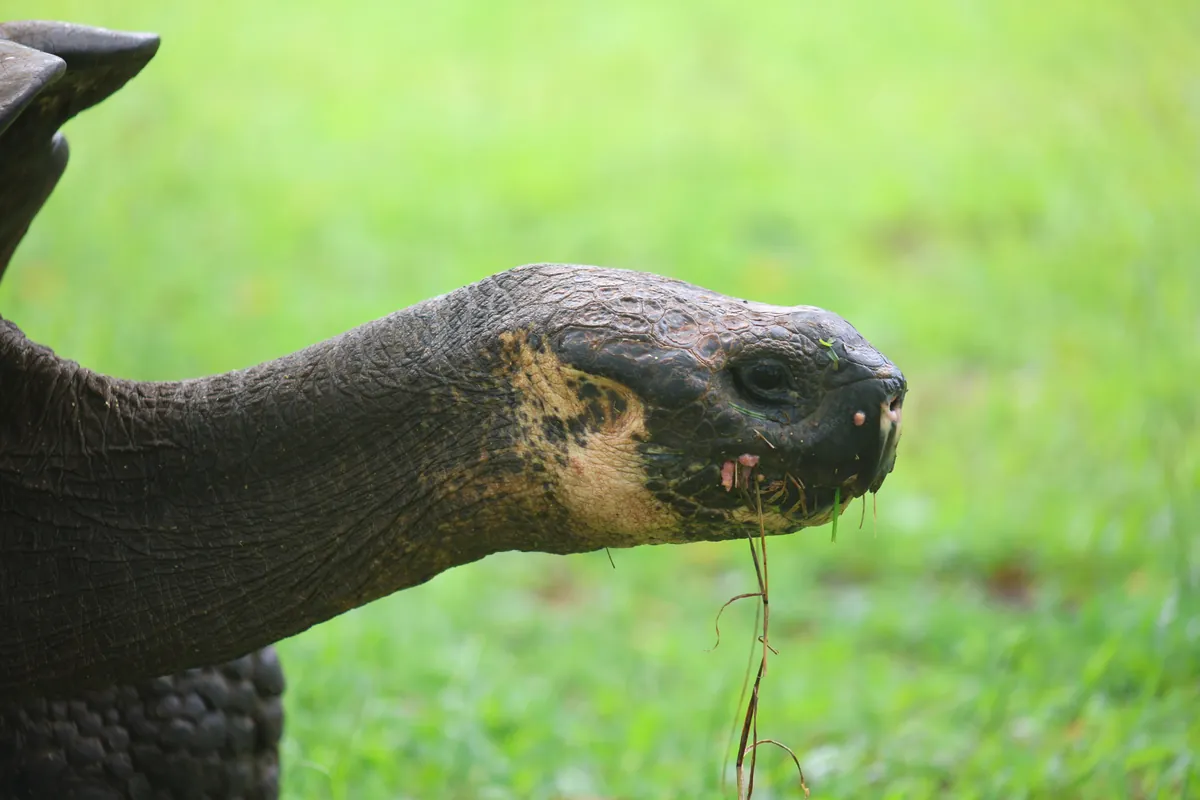
- Wildlife has right of way, always: tortoises cross roads in the highlands, and marine iguanas own the coastal paths. The two-metre rule holds even when the animal is in your lane.
- Water and sun are the real hazards: rides are exposed, the equatorial sun is strong even under cloud, and towns are the only refill points. Carry more than you think.
- Helmets: rental shops provide them; wear one. The lava is unforgiving.
How a bike day fits the trip
Cycling is a land-based activity: it pairs with the island-hopping format, where you have a hotel base and free days between boat tours. A strong structure: boat tour in the morning, bike in the afternoon; or a full bike day in the highlands between two boat days. Ferries take bikes (see our inter-island transport guide), so a two-island bike trip is realistic: Santa Cruz for the highlands, Isabela for the Wall of Tears.
Weather note: December–May is hot but dry most days; June–November brings the garúa, which in the highlands is a fine horizontal rain, cool and atmospheric rather than a washout. September’s cool air makes the climbs pleasant. See our when to visit guide.
Frequently asked questions
Can I rent a bike in Galápagos?
Yes, by the day in Puerto Ayora, Puerto Baquerizo Moreno and Puerto Villamil, at modest prices. Bikes are basic but fine for the paved island roads; helmets are provided.
What is the best bike ride in Galápagos?
The flat ride from Puerto Villamil to the Wall of Tears on Isabela, 6 km each way past the wetlands and flamingo lagoons. The Santa Cruz highlands ride to El Chato and Los Gemelos is the big climb.
Can I cycle into the park’s visitor sites?
No. Bikes stay on public roads; at visitor sites you park and walk the trails. Wildlife always has right of way, and the two-metre rule applies even when a tortoise is in your lane.
Sources
- Visiting rules, Galápagos National Park Directorate
- Inter-island ferry routes and timetables, Ferry Galápagos
- Galápagos weather and seasons, International Galápagos Tour Operators Association (IGTOA)
Last verified: October 2026