
Travel guide · Activities
Surfing in Galápagos: breaks, boards and rules
Where to surf in Galápagos: the breaks on Santa Cruz, San Cristóbal and Isabela, what conditions to expect by season, rental options and the rules for…
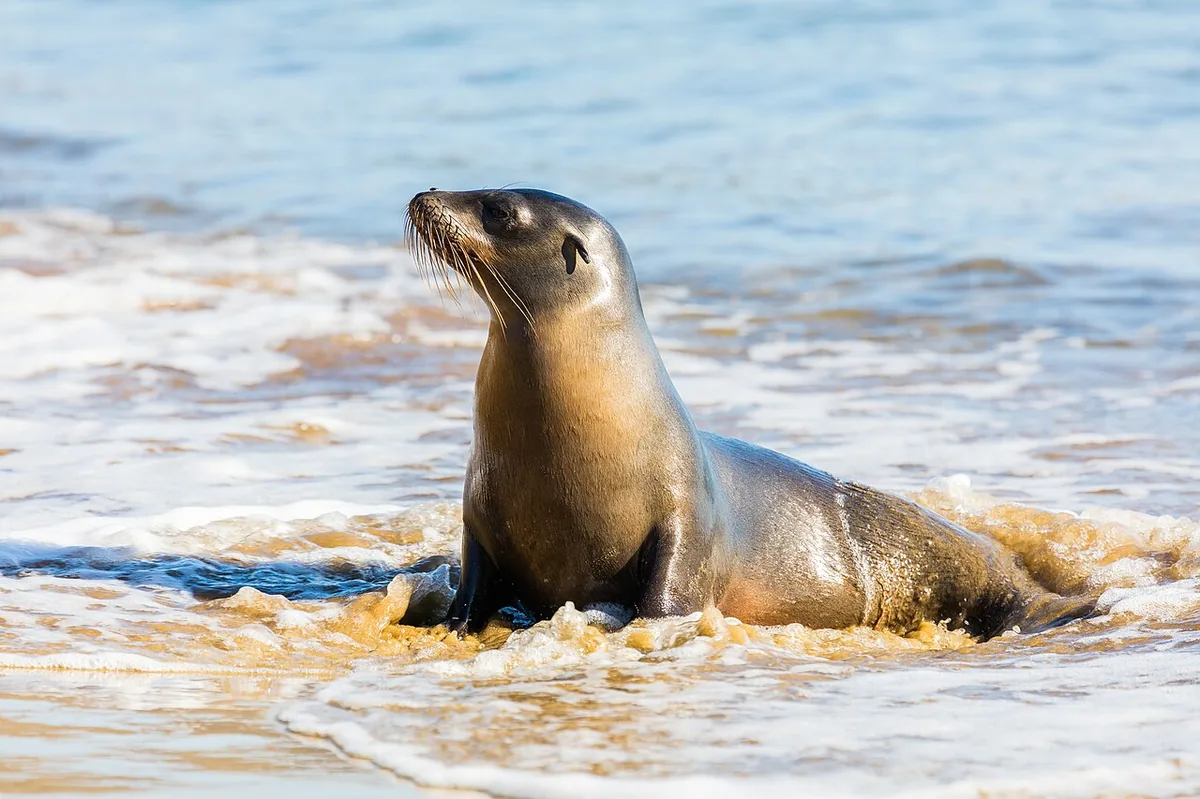
Almost nobody plans a Galápagos trip around surfing, which is exactly why the waves stay uncrowded. Between sessions you share the water with turtles, and the walk to the break runs past marine iguanas. This page covers the real surf spots, the season logic, and the rules that trip up visiting surfers.
The breaks
Santa Cruz. Tortuga Bay is the best-known break: the open-ocean beach (Playa Brava) has strong currents and is surf-only, swimming is prohibited there, while the protected lagoon 20 minutes away through the mangroves (Playa Mansa) is where everyone else swims. You reach it by a 2.5 km paved trail from Puerto Ayora. Boards rent by the hour near the beach.
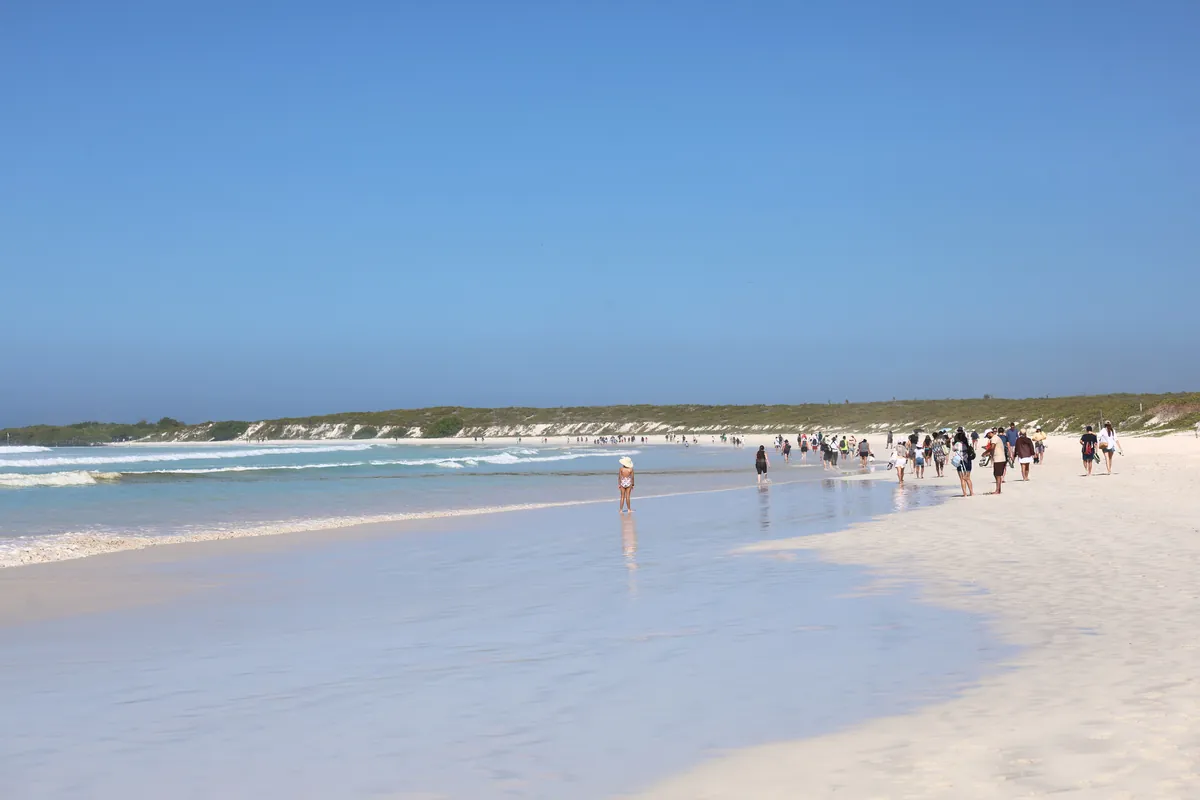
San Cristóbal. This is the surf island; the town side is in our Puerto Baquerizo Moreno guide. Punta Carola, a short walk north of town, is the beginners’ and intermediates’ favourite, with a reliable left over sand and rock. La Lobería, about 30 minutes on foot or a short taxi ride, is a more advanced break, named for its resident sea lion colony, which will join you in the lineup. Playa Mann, ten minutes from the centre, is more of a beach-break warm-up. A trail from the Interpretation Center links Punta Carola with Tijeretas Hill if you want to walk the coast between sessions.
Isabela. Puerto Villamil’s long black-sand beach has surfable peaks at its ends, with the town’s wetlands and lagoons behind. The island gets the full open-Pacific swell, so quality depends on the day, and there are fewer surfers in the water than anywhere else.
When the waves work
The same season split that governs everything in Galápagos applies here. The dry season, roughly June to November, brings the stronger southern swell and the wind that chops the afternoons; August to October is the peak of the wave energy, and also of the current in the water. The warm season, December to May, is calmer: smaller, cleaner waves on many days, warmer water (23–25 °C) and air up to 31 °C, so boardshorts work most mornings. The shoulder months of April–May and November split the difference. If you want both surf and calm-water snorkelling in one trip, May is the honest answer.
Rules and etiquette, Galápagos edition
- The two-metre distance rule from wildlife applies in the water. Sea lions will close it themselves; do not chase or touch.
- At mixed beaches, respect the marked zones: Tortuga Bay’s Playa Brava is for surfing only, and you swim in the lagoon, not vice versa.
- Take your wax, broken leashes and packaging with you; the park’s take-your-rubbish rule applies to every beach.
- Sunscreen: the same oxybenzone/octinoxate restrictions apply. Use a mineral product or a wetsuit top.
- Rental shops cluster near the main beaches in all three towns; a rented board for an afternoon costs a modest fraction of a day tour (check current rates at the shop, they move).
How a surf day fits the trip
Honest advice from guests who have done it: surf is a land-based activity. You need a hotel, a board shop and free mornings, which is the land-based island hopping format. Cruises cannot carry you to a break and wait; the surf-friendly sites you can reach from town are the reason surfers usually do 2–4 nights in San Cristóbal or Isabela rather than a full boat week. For the rest of the wildlife, cruises still win; our cruise vs land comparison breaks that down.
A practical sequence that works: fly into San Cristóbal, surf Punta Carola and Lobería for two days, ferry to Isabela ($50 per leg for tourists since August 2026) for the swell and the Tintoreras, then finish on Santa Cruz for the classic sites. Pack reef boots; the lava entries are sharp everywhere.
Frequently asked questions
Where are the best surf breaks in Galápagos?
San Cristóbal is the surf island: Punta Carola for beginners and intermediates, La Lobería for more advanced surfers. Tortuga Bay’s Playa Brava on Santa Cruz and the ends of Puerto Villamil’s beach on Isabela also work.
When is surf season in Galápagos?
The dry season, June to November, brings the stronger southern swell, peaking August to October. December to May is smaller and cleaner, with warm water and boardshorts most mornings.
Can I rent a surfboard in Galápagos?
Yes, from shops near the main beaches in all three towns, by the hour or the afternoon. Bring your own wax and leash spares, and reef boots for the lava entries.
Sources
- Visiting rules, Galápagos National Park Directorate
- Galápagos weather and seasons, International Galápagos Tour Operators Association (IGTOA)
- Inter-island ferry fares from 11 August 2026 (Ministry of Transport resolution), Bitácora EC
Last verified: October 2026