
Travel guide · Month by Month
Galápagos in November
Galápagos in November: the sea calms, snorkel visibility improves, green turtle courtship peaks, sea lion pups play in the shallows and prices stay low. Live…
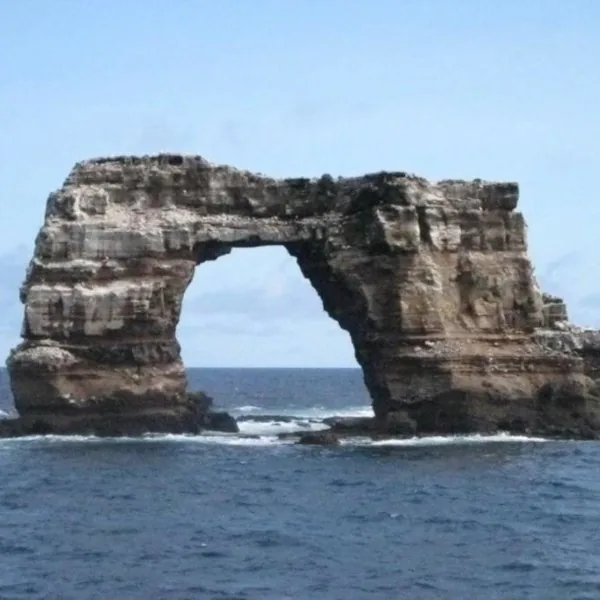
November is the month the dry season exhales. The Humboldt relaxes its grip, the sea lies down, and the first warm hints of the coming season show up in the water. On land, two stories run at once: sea lion pups at their most playful, and green turtles starting the courtship that will define the next three months.
Among people who know the islands’ rhythm, November has a quiet following: calm water, still-low prices and the pups in the water. It is the month we most often recommend to families who missed the warm season.
November at a glance
| November | |
|---|---|
| Air | 26 °C by day, 21 °C at night |
| Water | about 22 °C (operators’ average), 23.8 °C at the surface (satellite) |
| Rain | low; the real rains wait for the new year |
| Sea | calming; snorkel visibility improving |
| Wildlife | green turtle courtship, sea lion pups swimming, pelicans and noddies with young, fur seals breeding |
| Crowds | moderate; a bump at the early-November holiday |
| Cruises sailing | 324 departures on 27 yachts, from US$1,422 per person |
Weather in November
Days average around 26 °C, nights about 21 °C. The garúa thins out, mornings clear earlier, and the highlands stay green without the constant mist. Rainfall remains low; the real rains wait for the new year. It is the kind of month where you stop noticing the seasons changing and just notice that everything works.
The sea in November
The sea calms, and this matters more than any temperature number. Visibility improves for snorkelling as the chop and the upwelled murk settle. Water is back to around 22 °C by operator averages, with satellite surface readings at Puerto Ayora near 23.8 °C. Still wetsuit territory for most swimmers, but the difference from August is the difference between enduring a swim and enjoying it. For the year as a whole, November through May is the calm-water stretch, and November is where it opens; the ferries get gentle again too, which our ferry guide explains.
Wildlife in November
Two headline events:
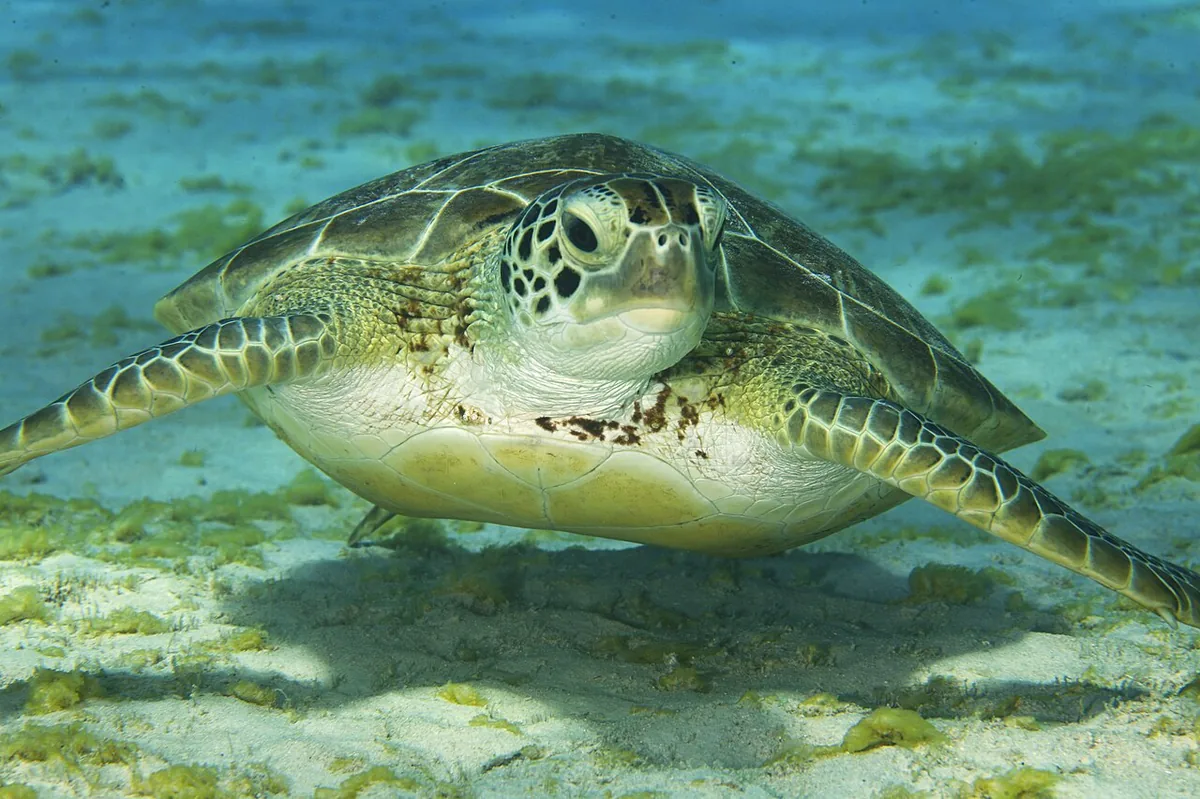
- Green turtles peak in courtship, a season that runs November through January. Head to the shallows off productive beaches and you may see pairs surface together, sometimes with a third male unceremoniously dumped off by the winner.
- Sea lion pups born since August are now confident in the water, and at rookeries like Champion islet off Floreana they swim right up to snorkellers. It is as close to playing with wild animals as the park rules will ever let you get.
Also in the calendar:
- Brown pelicans and brown noddies are raising young.
- Storm petrels are in their second nesting round of the year.
- Fur seals continue their breeding season on the western islands.
- Blue-footed booby chicks from the September and October cohort are close to fledging on Española and Isabela.
- Penguins are still courting at Bartolomé until December.
Where to go in November
Floreana for Champion islet’s pups, which most central and southern routes include; Santa Cruz’s beaches for the turtle courtship in the shallows; Bartolomé for the last penguin courtship of the year. Land-based travellers get calm boat tours and quiet beaches, and Tortuga Bay in November is at its best. The Floreana guide has the Champion details.
Crowds, prices and departures in November
Demand is moderate: the calm-sea, good-visibility reputation makes November popular with repeat visitors, and Ecuador’s early-November holiday (2 and 3 November) fills flights and ferries for a long weekend. Outside those days, boats and hotels have space and prices stay in the low season’s range. The reduced fares of the dry season’s end are still around; the last-minute page lists them live.
In our inventory, 324 departures on 27 yachts sail in November, from US$1,422 per person, with a median fare of US$5,945. The full list is on our November departures page. Book a couple of months out rather than gambling, because the best boats’ best cabins sell early even in a shoulder month.
Fixed costs on arrival: US$200 park fee for foreign adults and the US$20 transit card; see our entry fee guide.
What to pack for November
A transition kit: a shorty wetsuit (3 mm) or a rental plan for the first half of the month, a light windproof layer for early panga rides, quick-dry clothing, hat and reef-safe mineral sunscreen, and closed shoes for the trails. The fleece can stay home unless you chill easily. The full list is in our packing guide.
Who November suits, and who should wait
November suits snorkellers and families. The water has warmed enough to be pleasant, the sea is calm enough for children and nervous swimmers, and the wildlife is active on both sides of the season change. It also suits photographers: clearer water, calm surface, good light after the grey of September and October.
It is a less obvious choice if your priority is seabird breeding at its absolute peak (the middle of the dry season) or the archipelago’s warmest air (February and March). October is the rough month November rescues you from, December opens the warm season, and best time to visit Galápagos compares the whole year.
Frequently asked questions
Is November a good month for Galápagos?
Yes, and an underrated one: the sea calms, visibility improves, water warms toward 22 °C, sea lion pups swim with snorkellers and green turtle courtship begins, all at shoulder-season prices.
Can I snorkel without a wetsuit in November?
Early in the month most people still want a shorty; by late November many snorkellers go without. Water is around 22 °C by operator averages and climbing.
Where do sea lion pups swim with people?
Champion islet off Floreana is the famous site, included on most central and southern cruise routes. Pups also approach snorkellers at Isla Lobos off San Cristóbal and at several central-island rookeries.
Does the early-November holiday affect travel?
For a long weekend, yes. Ecuador’s 2 and 3 November holiday fills domestic flights and inter-island ferries. Book those days ahead or travel the following week.
Sources
- Galápagos weather and seasons, International Galápagos Tour Operators Association (IGTOA)
- Monthly sea surface temperature at Puerto Ayora (NOAA satellite data)
- Sea birds of Galápagos, Galápagos Conservancy
- How to get to Galápagos, Ecuador Travel (Ministry of Tourism)
Last verified: October 2026